Enabling Good Lives

IDA exists to create better lives for people with disabilities. Enabling good, full lives means  that all persons with disabilities have basic opportunities, choices, dignity and freedom. It means….

Three students smiling and writing at desks in a classroom with other students in the background. One of the children is a wheelchair user.

Sitting in a class-room with everyone else

Four women smiling and hugging each other while sitting by a decorative blue fountain outdoors. One of them is a blind young girl.

Living with my family, going to a party with my friends

A blind man is discussing a document with his superior at a desk with a laptop in an office.

Asking my boss for a promotion

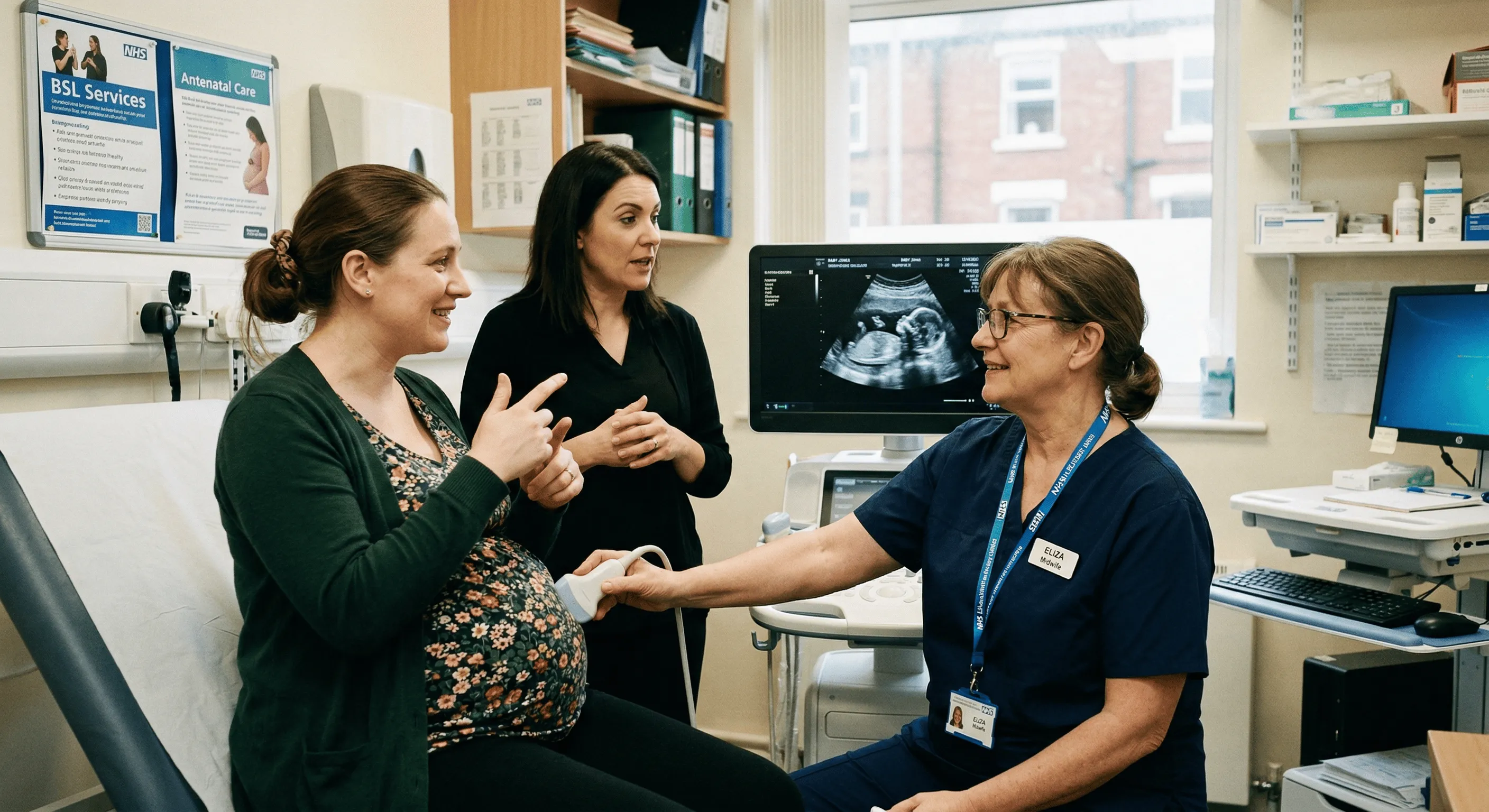
A pregnant deaf woman signing during an appointment with her doctor. There is an interpreter with them.

Getting a pregnancy check-up in sign language

A woman in a wheelchair is entering an accessible polling station ramp with an election official nearby.

Voting for a new government

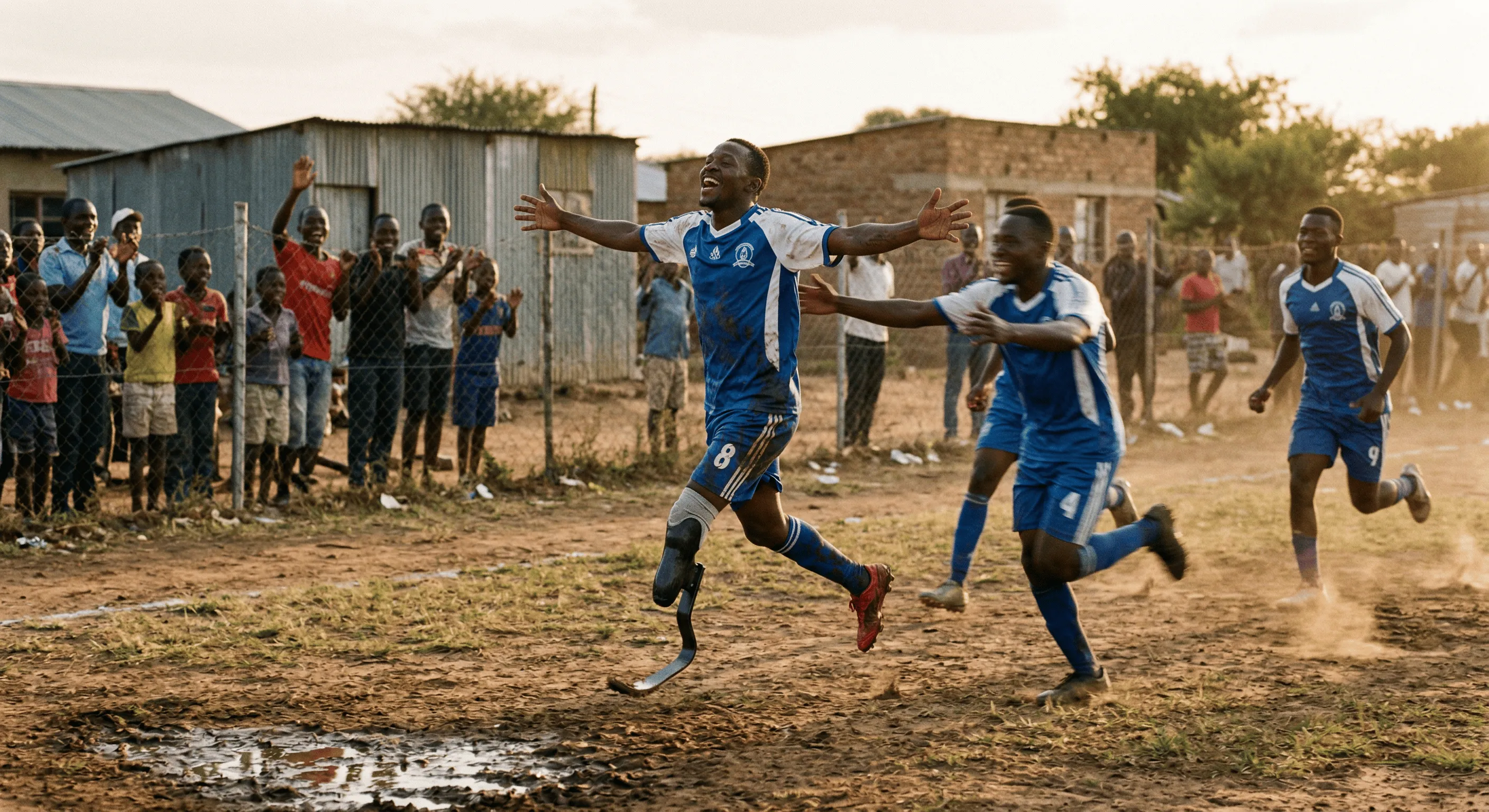
An amputee soccer player celebrating a goal with teammates running on a dirt field as a crowd cheers behind a fence.

Scoring a goal for my local football team

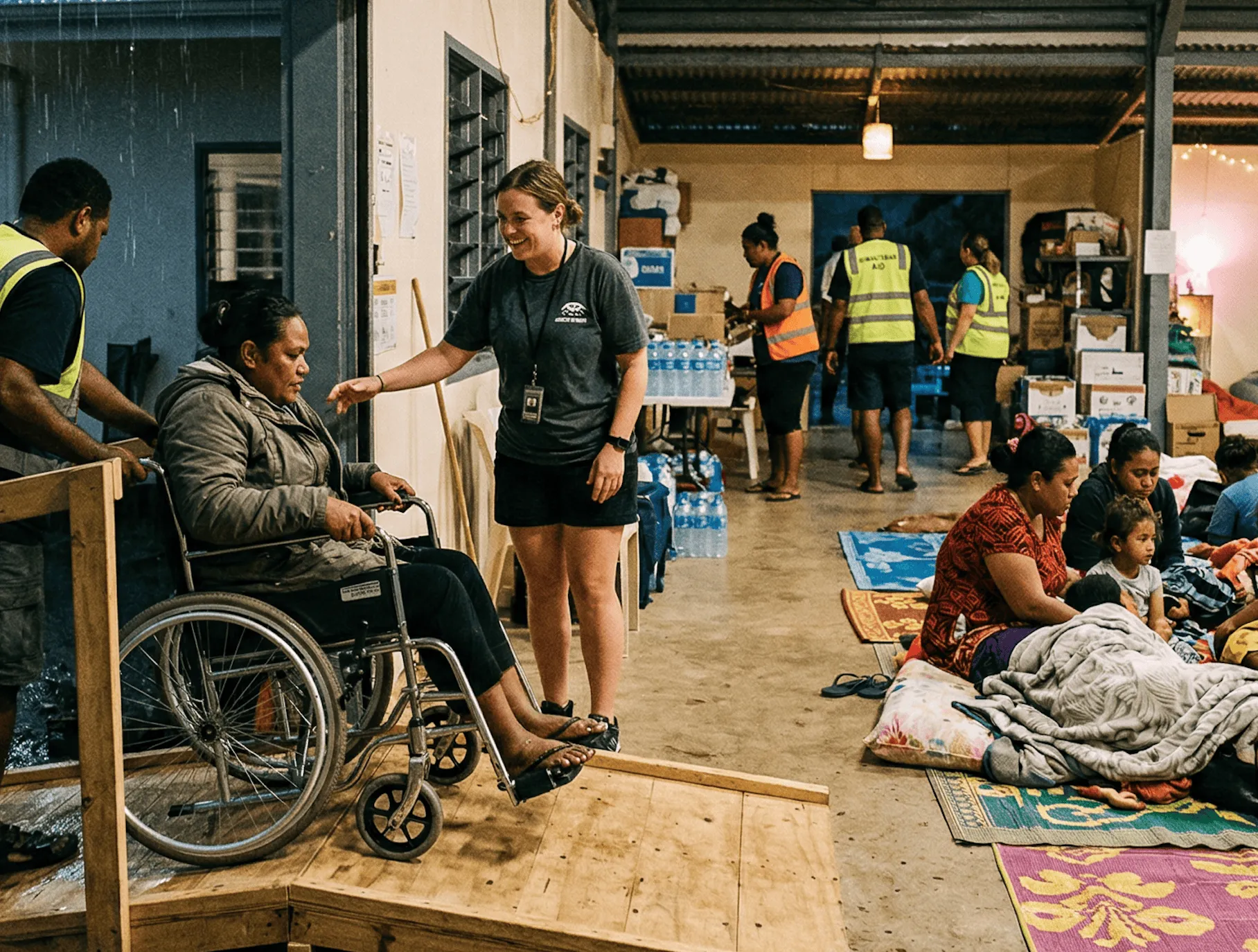
Volunteers assist a woman in a wheelchair at a relief shelter where others rest and receive aid.

Getting access to a shelter during a cyclone

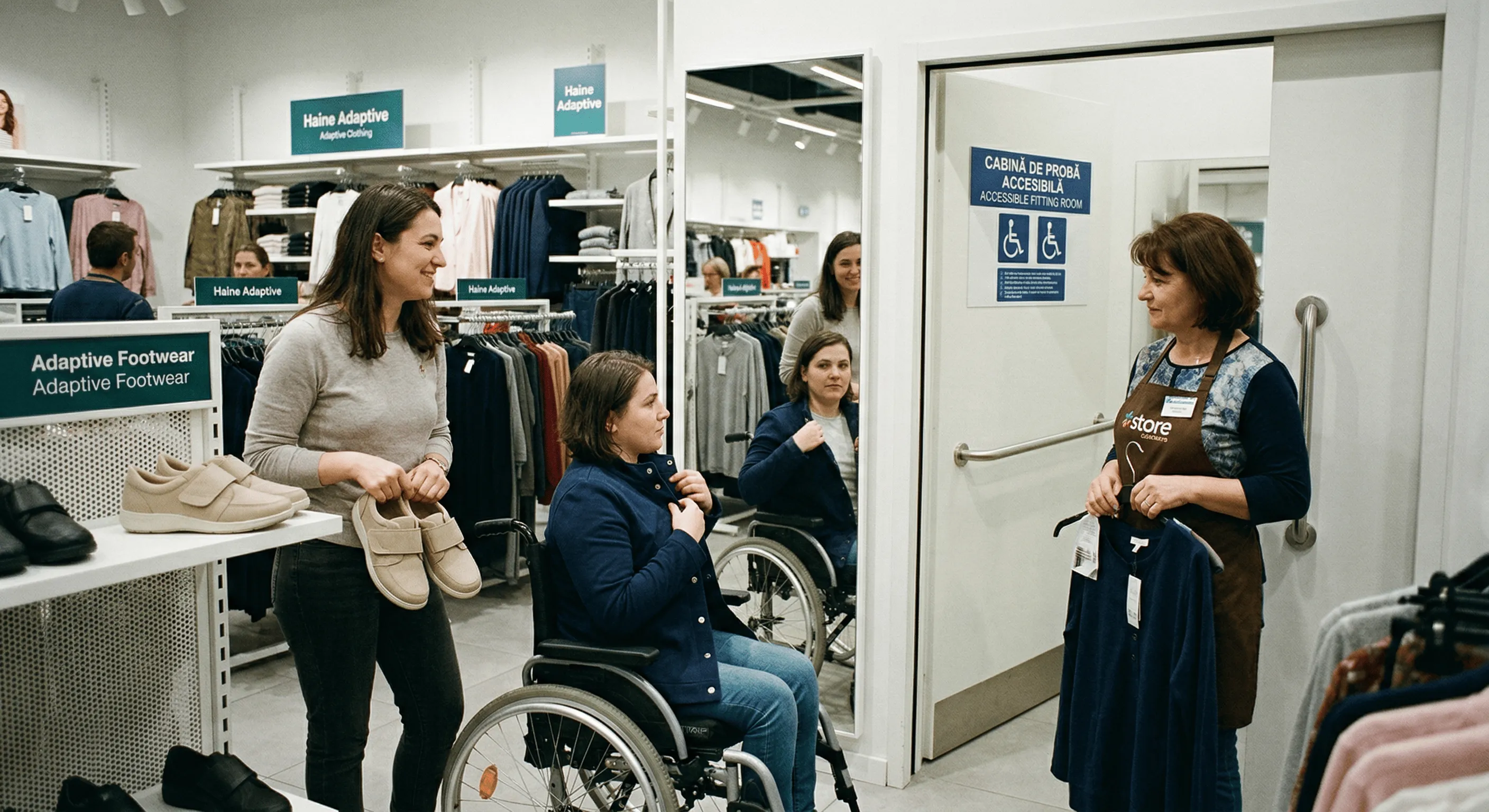
A woman in a wheelchair tries on an adaptive jacket with a store clerk holding clothing near an accessible fitting room.

Shopping for clothes that work for me

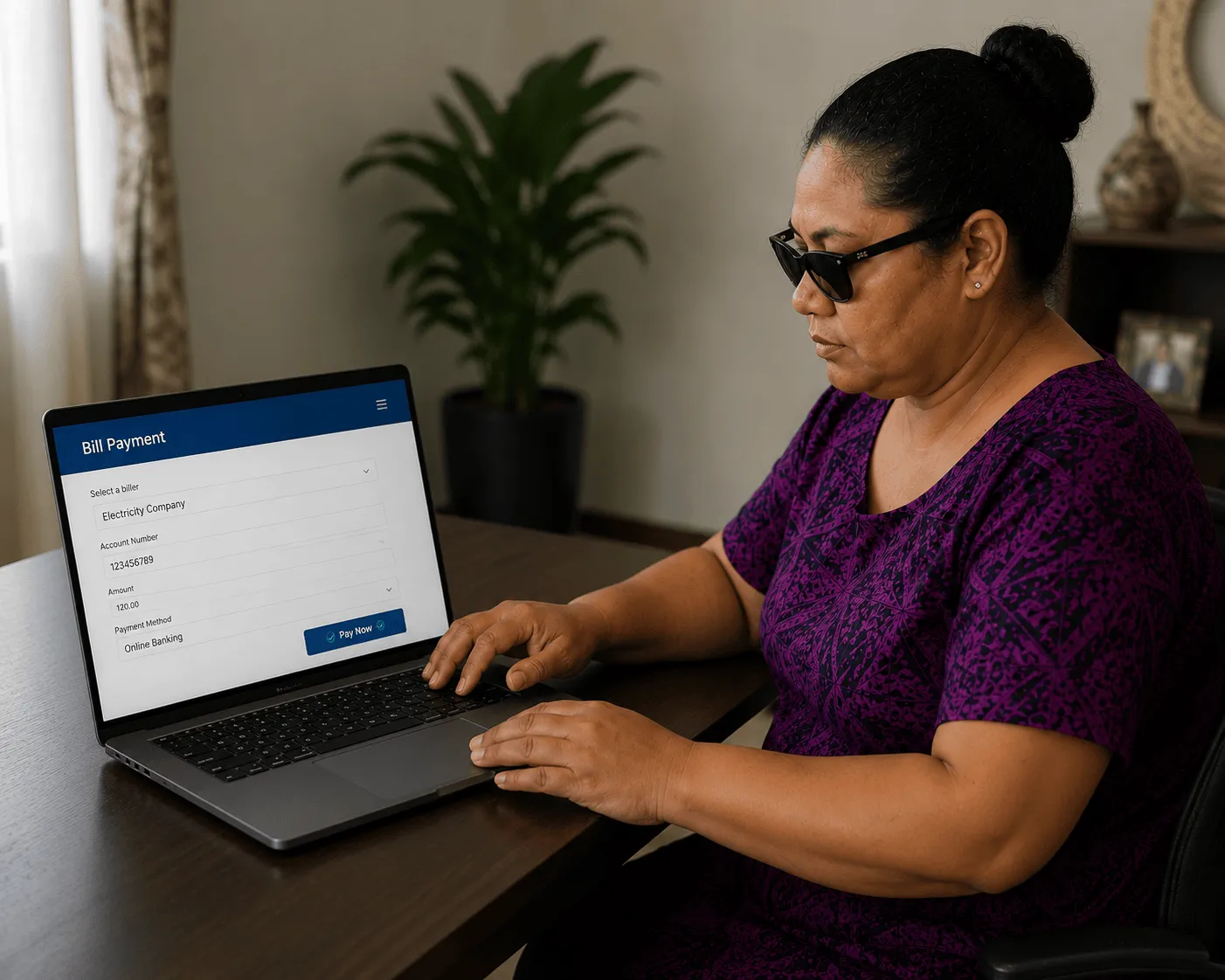
A blind woman using a laptop to pay an electricity bill online.

Paying my bills online myself

IDA will enable good lives for 800m people with disabilities by 2030. To achieve change at the scale required, IDA influences every part of the disability ecosystem - shaping global policy, strengthening OPD leadership, transforming systems, generating solutions, knowledge and data, and building lasting partnerships for inclusion.

Stories of change

How OPD-led solutions change everyday life

Across countries, communities and changing contexts, these stories carry one clear lesson: when organisations of persons with disabilities lead, change becomes practical, local and lasting.

OPDs know where exclusion happens because they live it and know the reality of their context and the solutions that will work. Every day they connect people to education, work, health care, assistive technology, justice, safety, family life, community participation and decision-making.

Behind every result is a person whose life becomes larger: a girl returning to school, a mother treated with respect, a young person earning income, a voter being heard, a person leaving isolation, a family finding support, a community becoming more accountable. This is impact led by persons with disabilities, for persons with disabilities.

People with physical disabilities engaging in a group discussion with charts on the wall behind them.
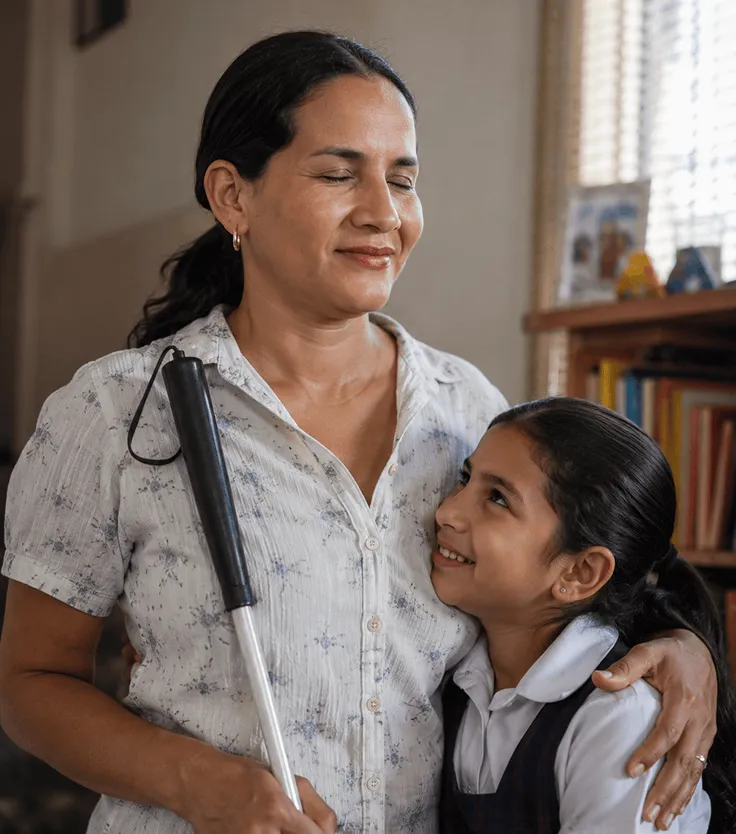
A blind woman with a white cane embracing a smiling girl who is looking to her.

Rosa is seen as a parent

Colombia – Parents with disabilities

Rosa is a blind mother. She was used to being questioned.

Could she really care for her child? Could she communicate with the school? Could she manage appointments? Too often, systems saw her disability before they saw her love, competence and rights as a mother.

A local OPD in Colombia established a peer network for parents with disabilities. Rosa joined other parents who understood the discrimination she faced. She received support on school communication, documentation and access to services. The OPD also developed guidance for family services on non-discrimination against parents with disabilities.

For Rosa, the change was both practical and emotional. She became more confident speaking with schools and clinics. She knew where to seek help when treated unfairly. She was surrounded by other parents who refused to be treated as risks.

Rosa did not need permission to be a mother. She needed systems that respected her rights.

Sita keeps moving

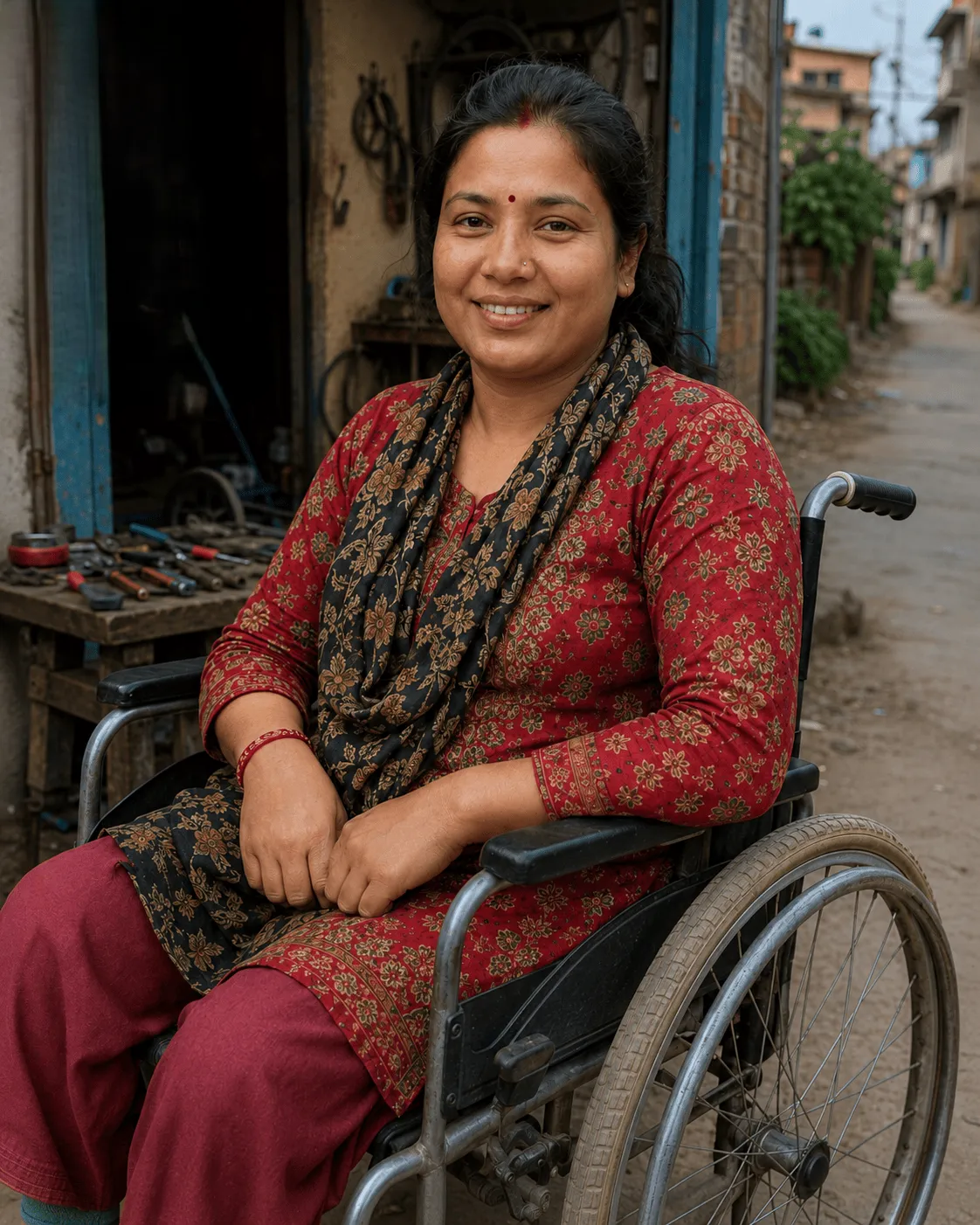
Nepal – Wheelchair repair and local resilience

Sita is a wheelchair user. For her, a flat tyre was never just a flat tyre.

When her wheelchair stopped working, life narrowed immediately. She missed work. She missed community meetings. She depended on relatives for basic movement. A small repair could take weeks because no one nearby knew how to fix the chair safely and affordably.

A local OPD in Nepal changed that by creating repair and maintenance circles. Wheelchair users and family members learned how to replace tyres, adjust brakes, care for cushions and know when to seek specialist repair. Local bicycle repair shops were brought into the solution, turning existing skills in the community into a source of independence.

Now, when something breaks, Sita does not wait helplessly. She knows what to do. So does her family. So does the repair shop down the road.

This is what locally led inclusion looks like: not a distant service, not a complex institution, but the power to keep moving.

Litia opens her front door

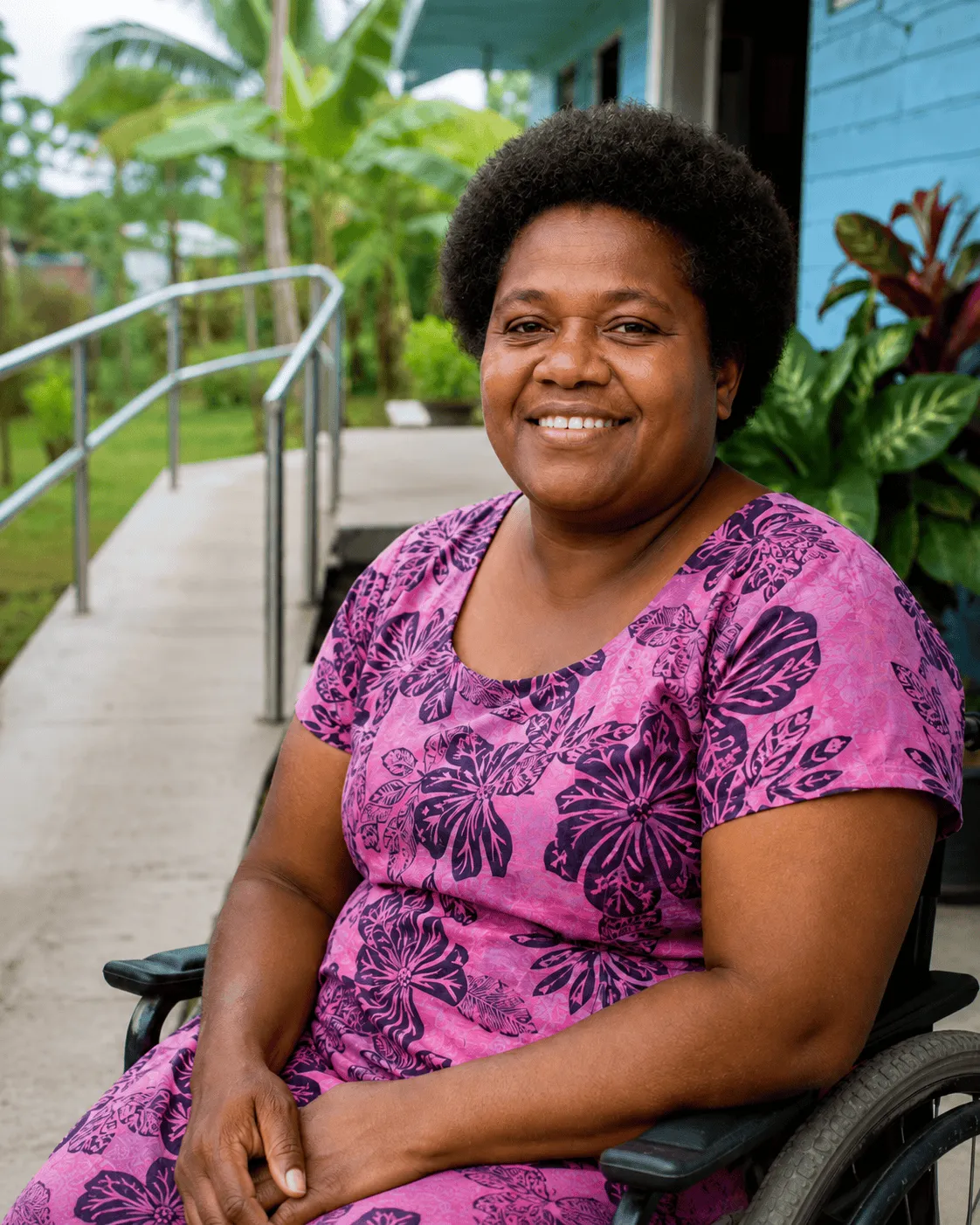
Fiji – Home accessibility and community life

Litia is a person with a physical disability. Her world had become smaller than her own home.

There was a step at the entrance. A narrow path. No handrail where she needed one. None of these barriers looked dramatic to others, but together they kept her inside. She missed church. She missed family events. She missed the market, village meetings and the ordinary conversations that make a person feel part of community life.

Through small accessibility micro-grants, a local OPD in Fiji helped assess homes and support low-cost adaptations: ramps, handrails, safer paths, widened doorways and accessible washing areas. For Litia, the change began at the front door.

She could leave home with less assistance. Her family no longer had to lift and carry her in the same way. She began to return to the places where she was known, missed and needed.

Sometimes inclusion begins with law and policy. Sometimes it begins with a ramp, a handrail, and the dignity of leaving your own home when you choose.

João reports the barrier

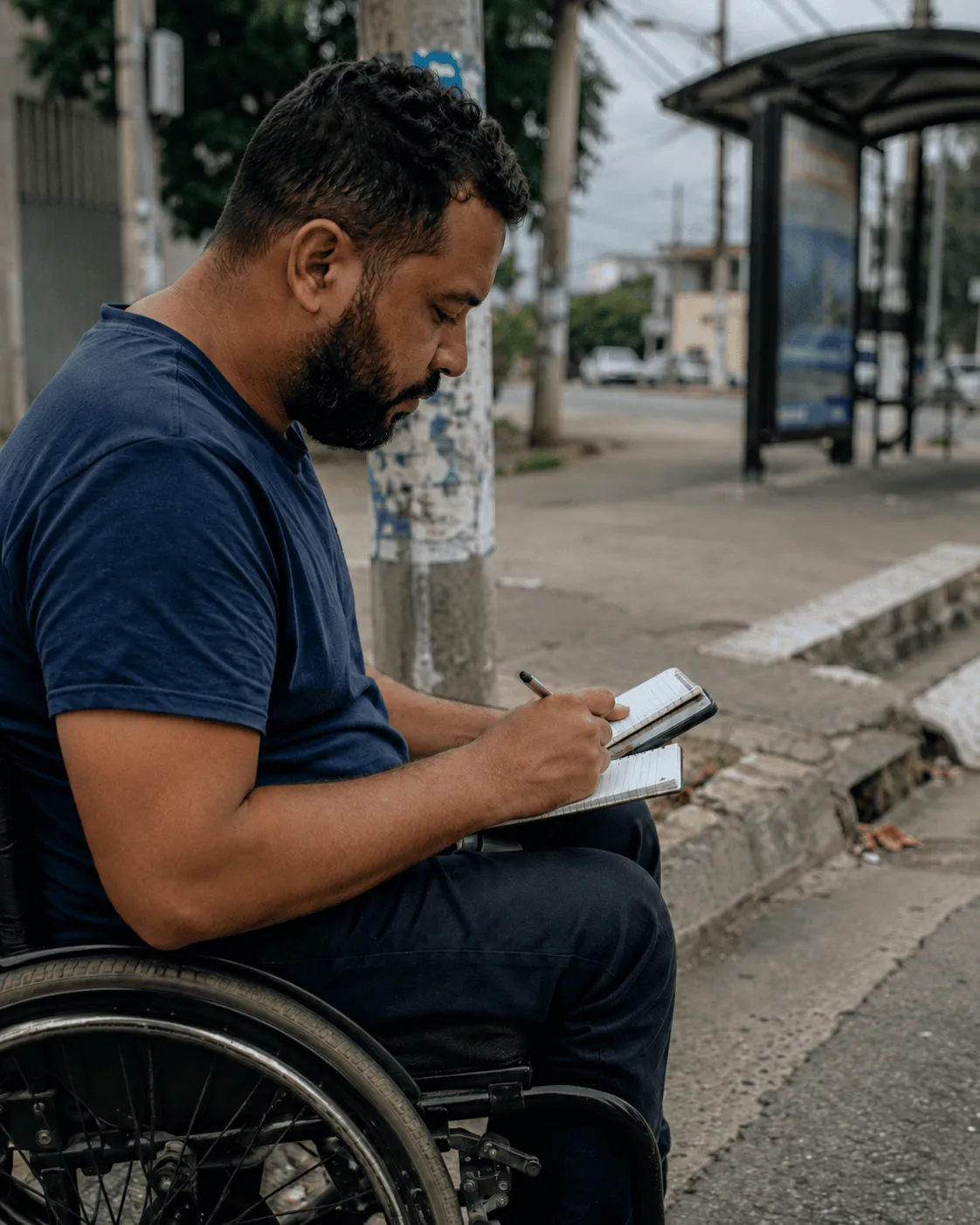
Brazil – Discrimination data and remedies

João is a person with a physical disability who experienced repeated accessibility and barriers. Every day, he passed barriers that others ignored: inaccessible transport, failures in health services, denial of reasonable accommodation, discrimination in work.

For a long time, each incident felt isolated. Frustrating, but hard to prove. Personal, but part of something bigger.

An OPD in Brazil created a confidential case log to document denial of services, discrimination and accessibility failures. João’s experience became part of a wider evidence base. Some cases received direct follow-up or referral. Others were used anonymously to brief municipal authorities and identify patterns.

The case log changed the question. It was no longer, “Can you prove this happened?” It became, “How many times does this have to happen before the system changes?”

João’s story remained his own. But with others, it became collective power.

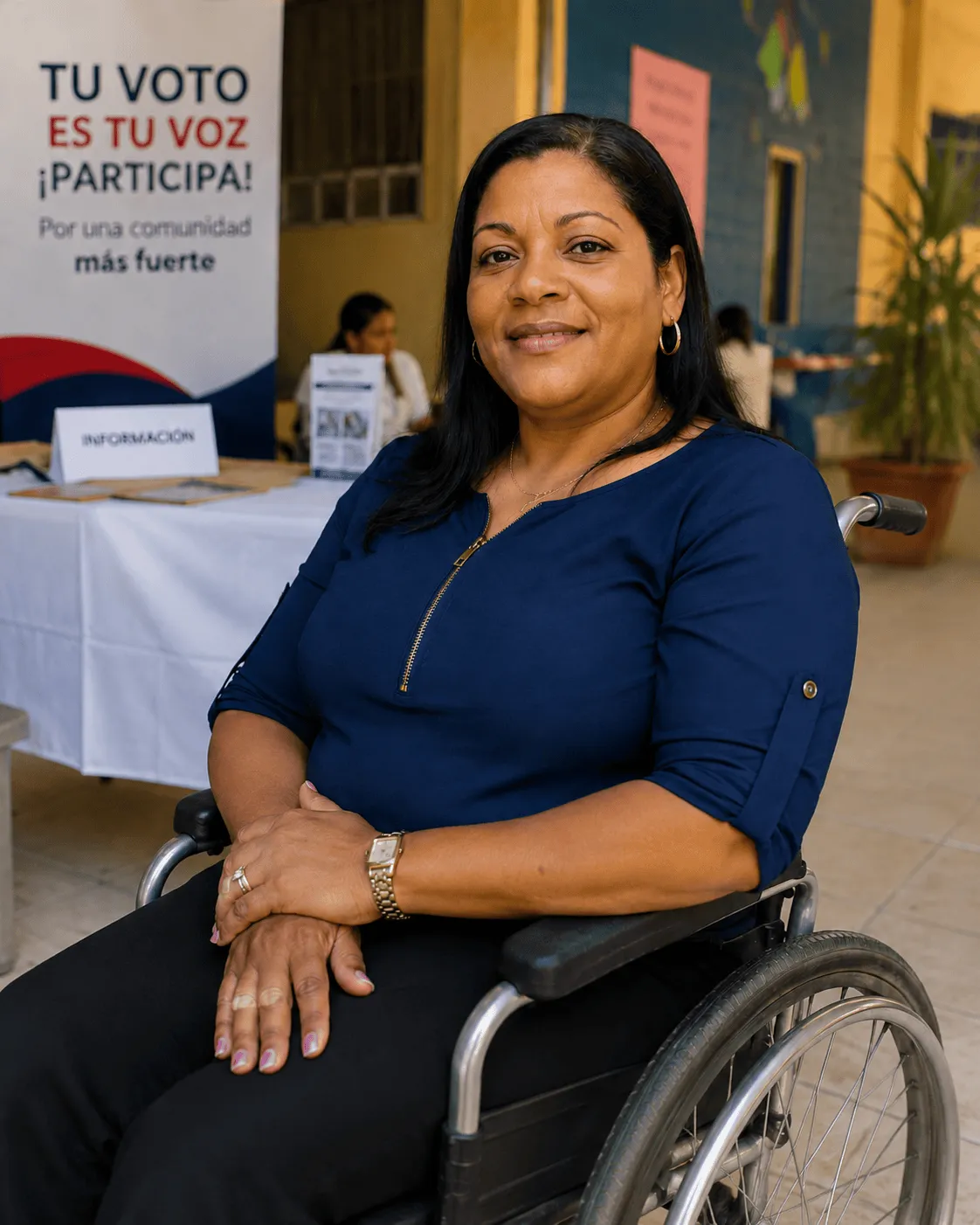
Lucía votes, leads and is heard

Dominican Republic – Civic participation

Lucía is a woman with a physical disability. She had voted before, but it had never been easy.

Information was not accessible. Polling arrangements were uncertain. Barriers were treated as individual inconveniences rather than democratic failures. Each election reminded her that democracy can exclude people even while claiming to represent them.

An OPD coalition in the Dominican Republic supported accessible voter participation and civic engagement. Persons with disabilities received voter information, support to check registration and polling arrangements, and training as civic observers and community advocates.

Lucía did more than cast her vote. She helped document barriers and advocate for reform.

Democracy becomes stronger when persons with disabilities participate as voters, monitors, leaders and rights-holders. Lucía’s voice did not end at the ballot box. It became part of the demand for a more accessible electoral system.

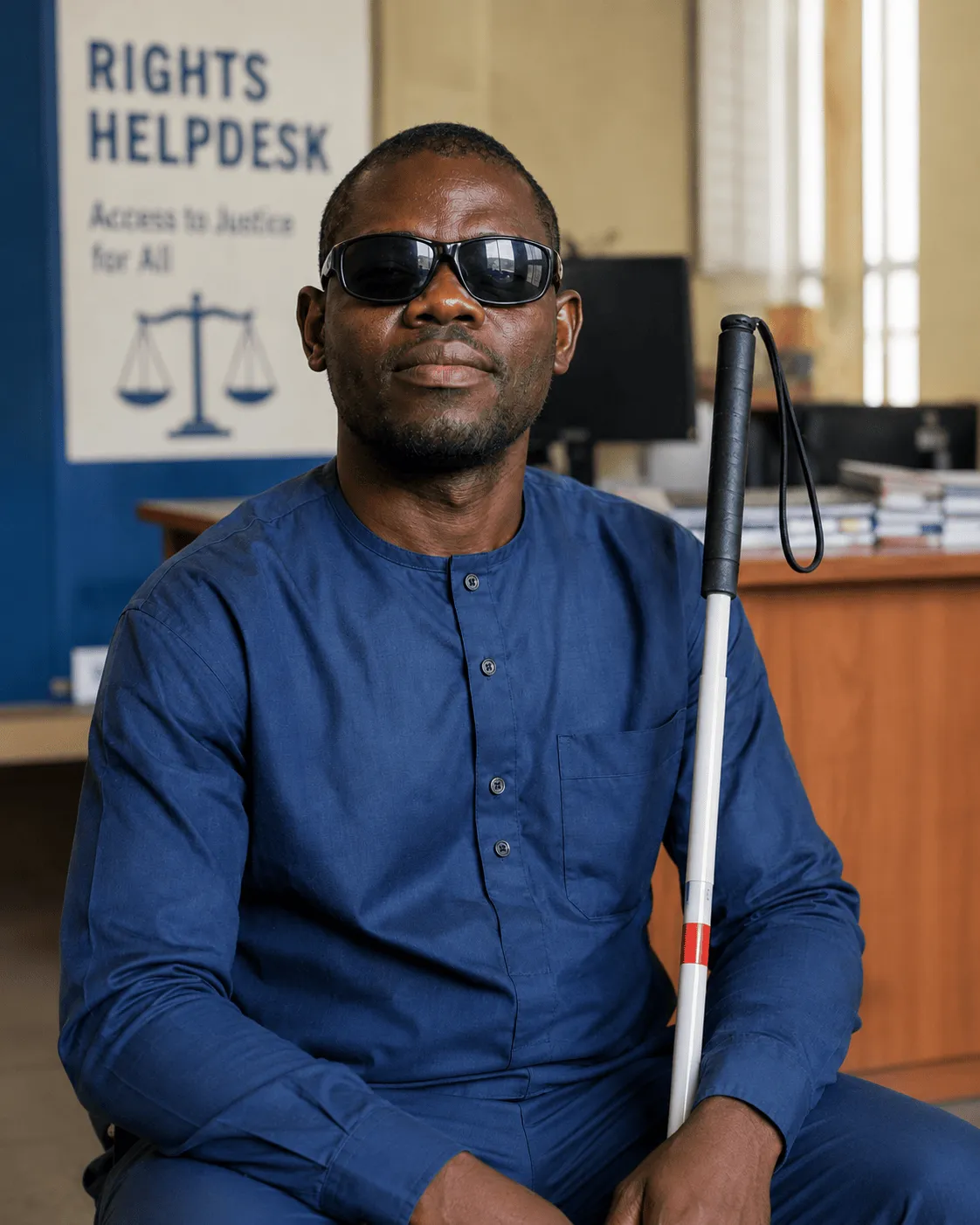
Chinedu knows where to turn

Nigeria – Rights helpdesks and accountability

Chinedu is a blind person who experienced denial of access to a service. When he was denied access, he did not know whether to argue, appeal, complain or give up.

The exclusion was real, but the pathway was unclear. Without support, one act of discrimination can leave a person isolated, exhausted and silent.

Then a national OPD supported local branches in Nigeria to run weekly helpdesks through walk-in, phone and WhatsApp channels. People brought questions about money, education, violence and lack of basic services. The OPD helped with referrals, mediation, administrative follow-up and case tracking.

Chinedu was not left alone with a grievance. He had a trusted first point of contact and a pathway forward.

The helpdesk also did something larger. By collecting data, the OPD could show authorities the patterns behind individual stories.

One person’s exclusion became evidence for systemic change.

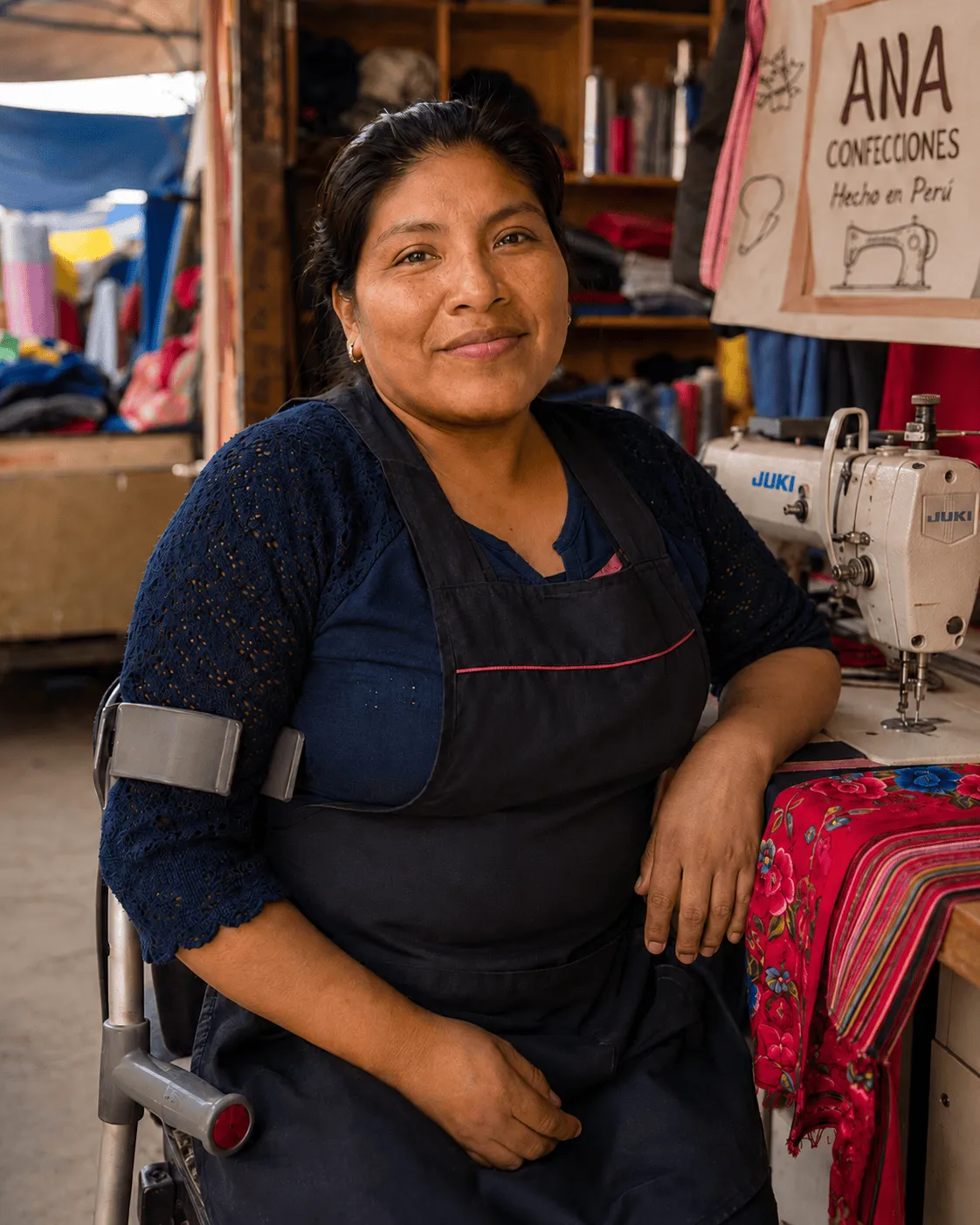
Ana turns exclusion into enterprise

Peru – Livelihoods and economic agency

Ana is a woman with a physical disability. She had talent. She could sew, repair and sell. But talent alone was not enough when capital was out of reach and people did not see her as an entrepreneur. She had ability, but not a fair chance.

A local OPD in Peru supported persons with disabilities to start or strengthen small enterprises through training, seed grants and equipment support. Ana used modest support to improve her tailoring business, purchase materials and connect with local market networks.

Within months, her income became more regular. Her role in the household changed. Customers came not because she was a person with a disability, but because her work was good. Economic inclusion is not only about income. It is about confidence, choice and a place in the community.

Ana’s business began small, but it changed the life of her family.

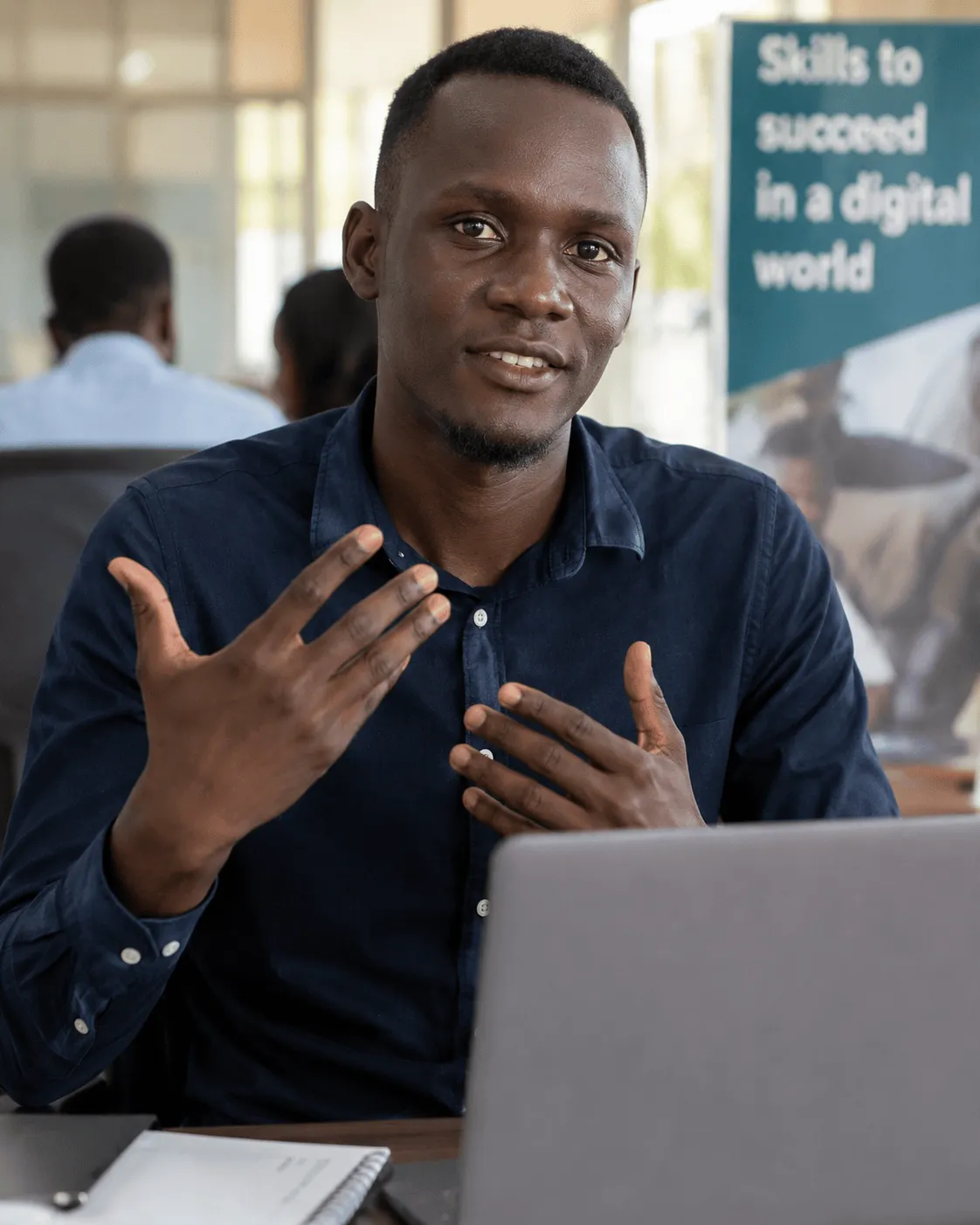
Joseph finds work that lasts

Kenya – Skills, income and reasonable accommodation

Joseph is a young deaf person seeking access to decent work. He had been trained before. He had certificates. He had hope. But the certificates sat in a folder while employers remained out of reach.

Training alone had not opened the door. Interviews were inaccessible. Employers were uncertain. Reasonable accommodation was treated as a problem instead of a right.

A youth-led OPD in Kenya took a different approach. It assessed young persons with disabilities for their interests, linked them to vocational training, worked with training providers on accessibility and reasonable accommodation, and connected trainees to internships and employers.

Joseph enrolled in digital skills training. He received support to prepare his CV and request accommodations for interviews. After completing an internship, he began earning income. The difference was not training alone. It was the full pathway: skills, accessibility, confidence, employer engagement and follow-up.

Joseph did not need charity. He needed the barriers between his ability and the labour market to be removed.

Rosa is seen as a parent

Colombia – Parents with disabilities

Rosa is a blind mother. She was used to being questioned.

Could she really care for her child? Could she communicate with the school? Could she manage appointments? Too often, systems saw her disability before they saw her love, competence and rights as a mother.

A local OPD in Colombia established a peer network for parents with disabilities. Rosa joined other parents who understood the discrimination she faced. She received support on school communication, documentation and access to services. The OPD also developed guidance for family services on non-discrimination against parents with disabilities.

For Rosa, the change was both practical and emotional. She became more confident speaking with schools and clinics. She knew where to seek help when treated unfairly. She was surrounded by other parents who refused to be treated as risks.

Rosa did not need permission to be a mother. She needed systems that respected her rights.

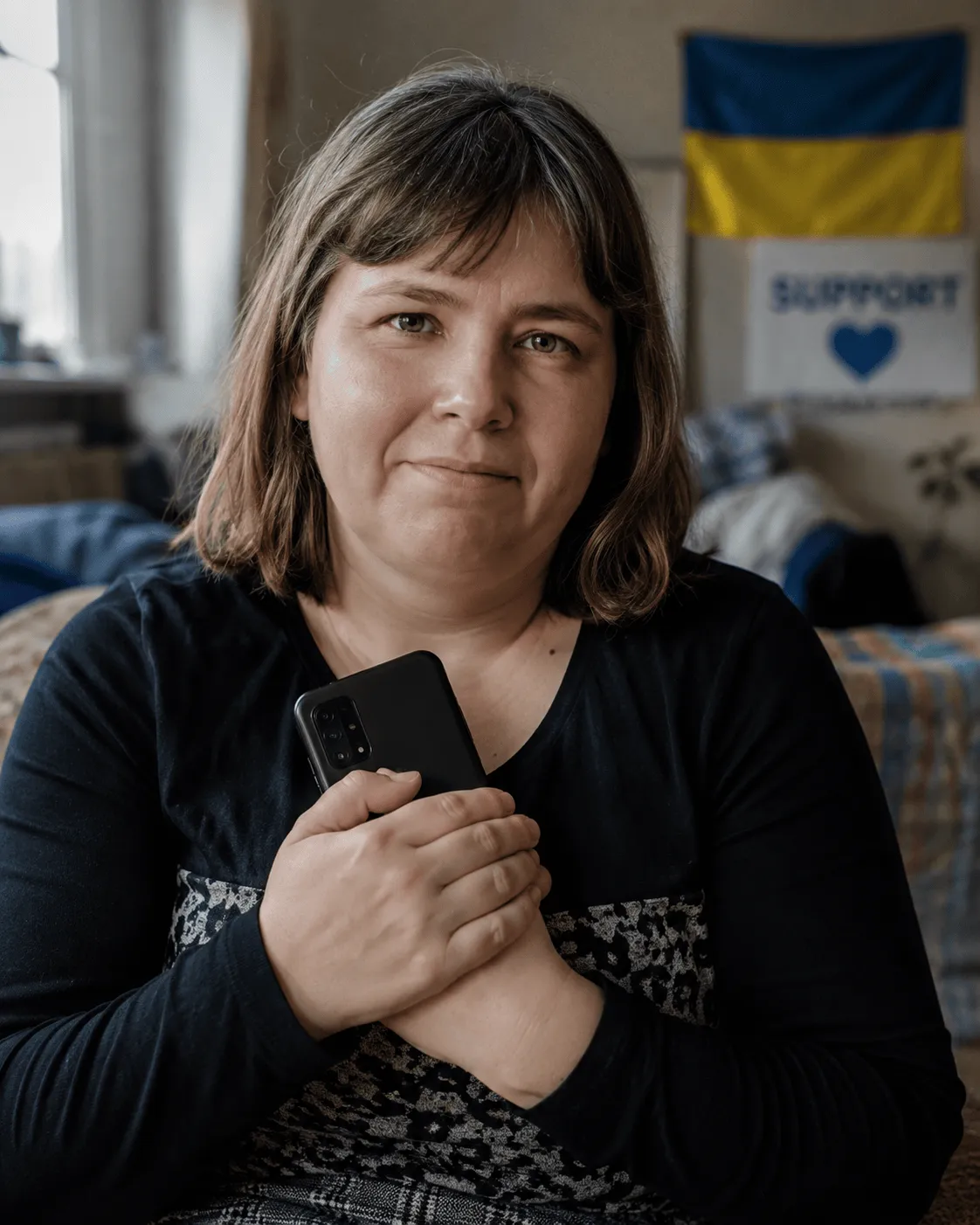
Olena has someone to call

Ukraine – Crisis support and continuity of care

Olena is a person with a psychosocial disability and high support needs affected by conflict and displacement. When shelling started, her first fear was not only the sound outside.

It was what would happen if her medication ran out. If transport stopped. If she became overwhelmed. If no one knew where she was or what support she needed.

An OPD in Ukraine created a crisis buddy network for persons with psychosocial disabilities and persons with high support needs affected by conflict and displacement. Participants developed personal crisis and support plans. Peer buddies checked in during periods of shelling, service disruption, displacement or acute distress.

Olena now has someone to call before a crisis escalates. Someone who knows her plan. Someone who can help connect her to medication continuity, psychosocial support, safe transport or emergency shelter.

In crisis, inclusion can be lifesaving. For Olena, the network means she is not left to survive alone.

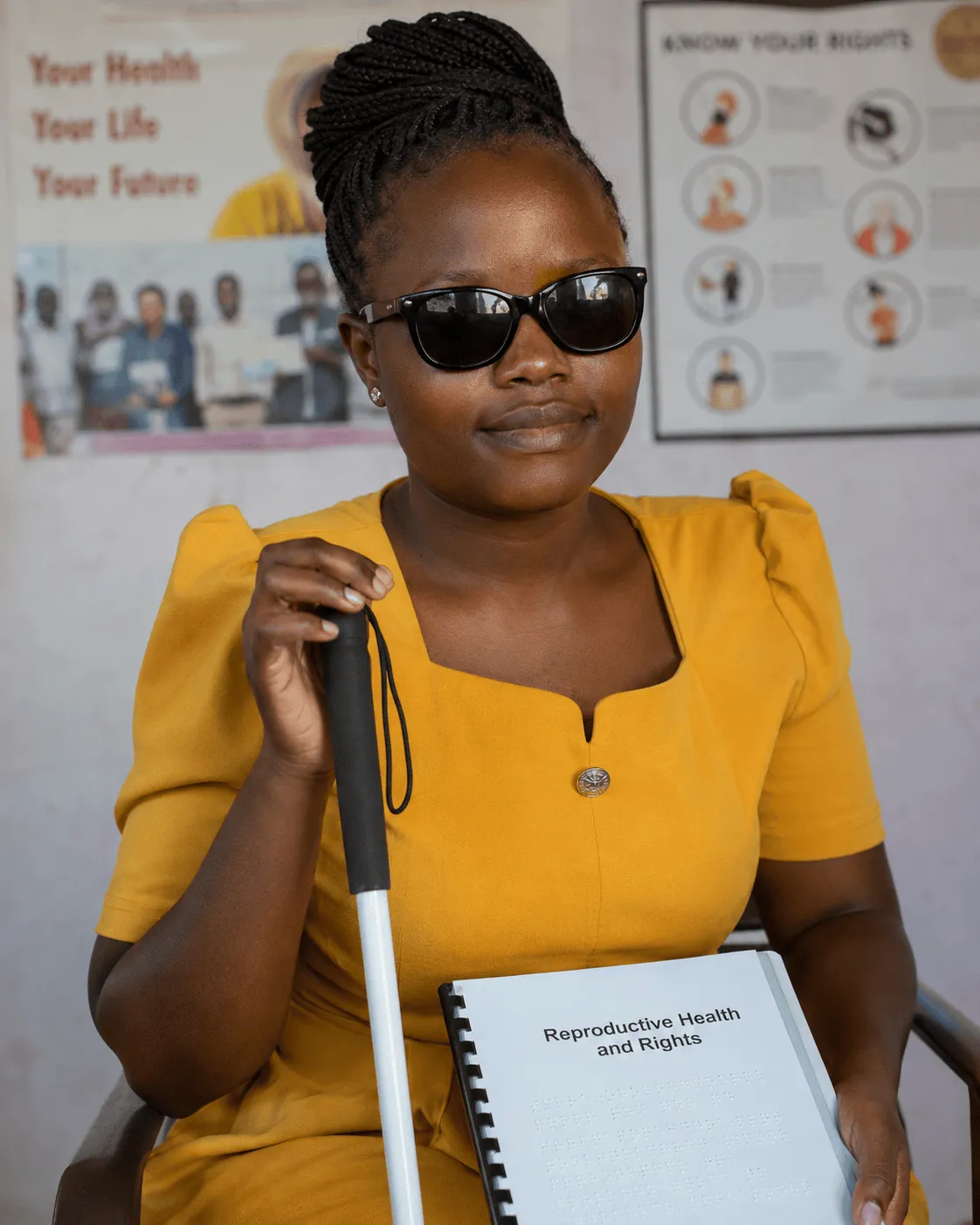
Asha learns that her body is her own

Uganda – SRHR and women with disabilities

Asha is a young blind woman. She had questions no one wanted to answer.

Questions about menstruation, contraception, pregnancy, consent, HIV, violence and safety. As a young woman with a disability, she had been protected from information in ways that made her less safe, not more.

A women-led OPD in Uganda created accessible sexual and reproductive health and rights sessions for women and girls with disabilities. Materials were shared in plain language, audio, braille-ready formats and sign language video. Participants were referred to youth-friendly and women-friendly health services when needed.

For Asha, the sessions were the first place where her body, choices and future were discussed with honesty and respect.

The programme did more than share information. It challenged the silence that surrounds women and girls with disabilities and affirmed a truth too often denied: they have the same right to safety, autonomy, relationships, health and joy as anyone else.

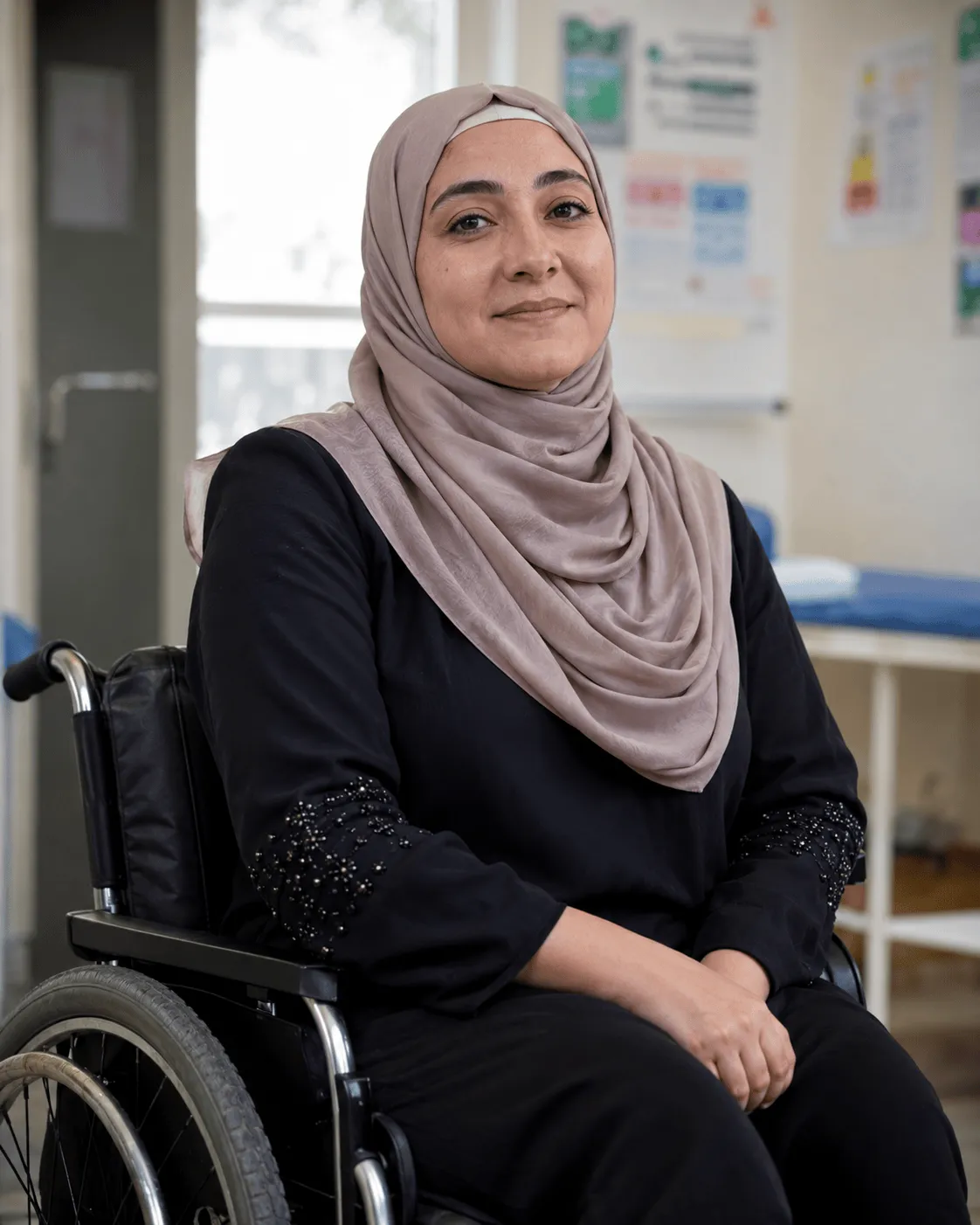
Farah reaches the clinic with dignity

Jordan – Accessible health care

Farah is a person with a physical disability. She used to dread going to the clinic.

The entrance was difficult. The staff made things difficult. Even when she received care, she often left feeling small, embarrassed or humiliated.

An OPD in Jordan conducted accessibility and dignity audits of local primary health centres. Health workers were oriented on disability inclusion and respectful communication. Clinics introduced practical improvements, including clearer signage, priority appointments, accessible seating and more private communication support.

The next time Farah went to the clinic, the experience was different. She waited less. She understood more. Staff treated her with greater respect.

Health access is not only about whether a service exists. It is about whether everyone can enter, communicate, be respected and receive care without losing dignity.

Nino comes home

Georgia – From institutions to community

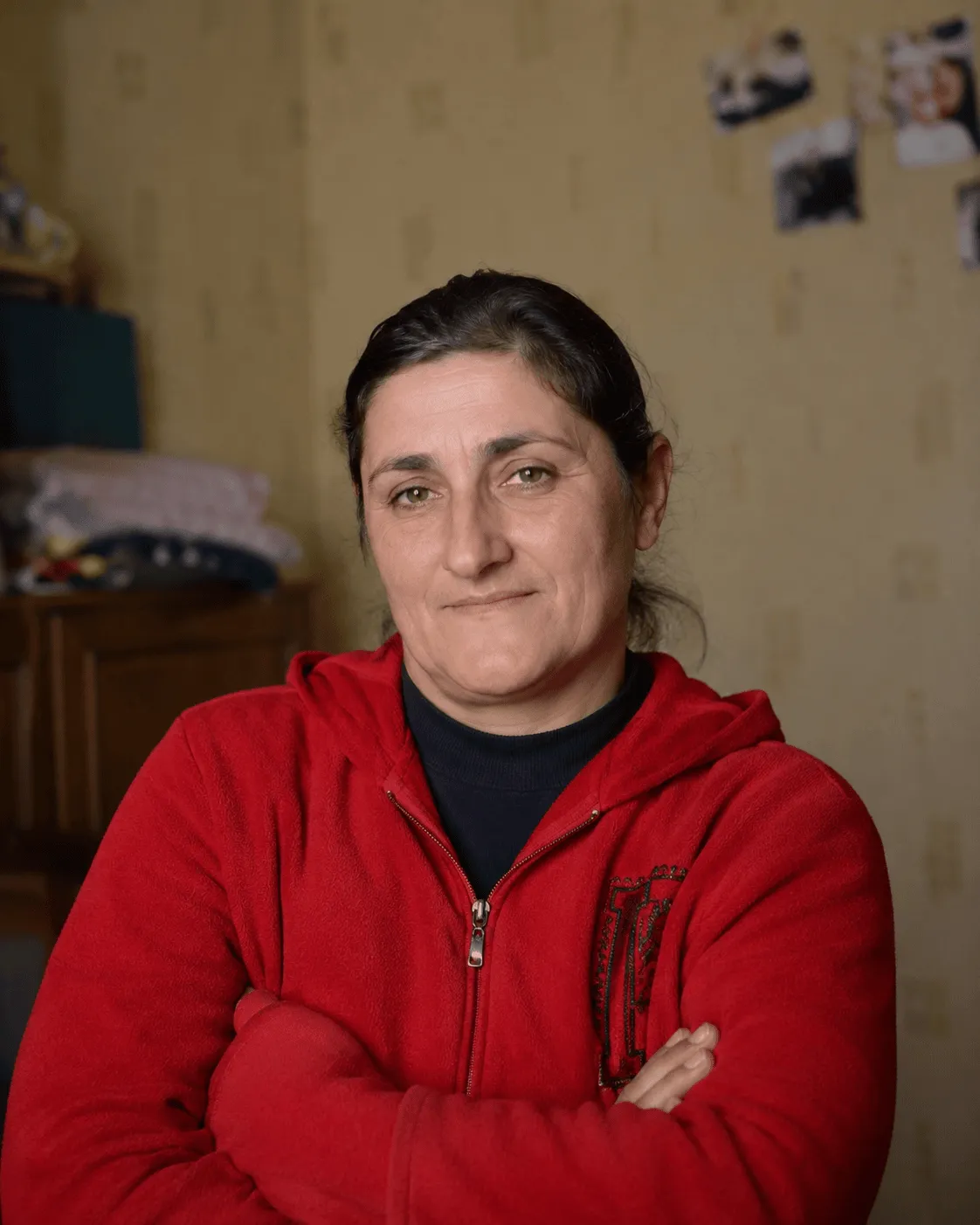
Nino is a person with psychosocial disability who had been institutionalised for a long time. 

Leaving institutional life is not only about changing location. It is about safety, relationships, housing, support, trust and follow-up. It is about making sure that a person is not moved from one form of isolation into another.

An OPD in Georgia worked with persons with psychosocial and intellectual disabilities living in institutions or at risk of institutionalisation. Nino received an individual community inclusion plan. The OPD helped connect her with family mediation, social workers, housing actors and legal aid.

Her transition was careful. It centred her needs, her choices and her safety.

Nino’s move into community life was a process of rebuilding the ordinary things institutions take away: privacy, relationships, decisions, routine, belonging and hope.

Chantal belongs again

Rwanda – From isolation to community inclusion

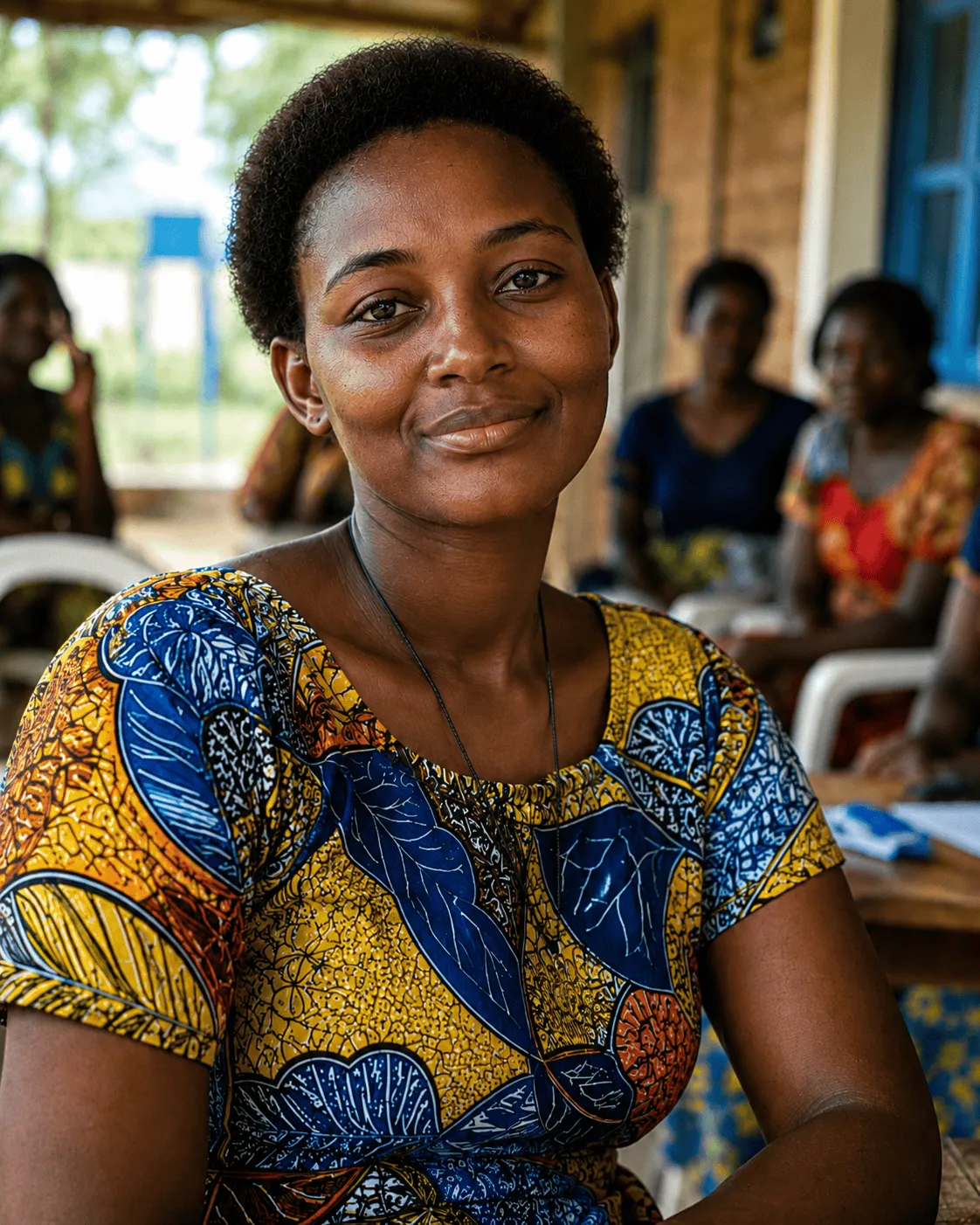
Chantal is an autistic woman who had become increasingly isolated from community life. She was not formally excluded from her community. No one had passed a rule against her. No one said she could not belong. But slowly, people stopped inviting her. She stopped going out. Days became quiet. Then invisible.

A district OPD in Rwanda identified people with disabilities who were isolated at home and connected them to peer groups, savings groups, churches, sports activities and local associations.

At first, Chantal attended one gathering. Then another. She met people who understood her experience. She joined a group where she was expected, not pitied. She began to receive visits and invitations again.

For Chantal, the most important change was not a new service. It was a sense of belonging.

Inclusion is sometimes measured in policies, budgets and systems. It is also measured in whether a person has someone to sit beside, somewhere to go, and a reason to believe they still have a place in their community.

Nikola chooses his own life

Croatia – Supported decision-making

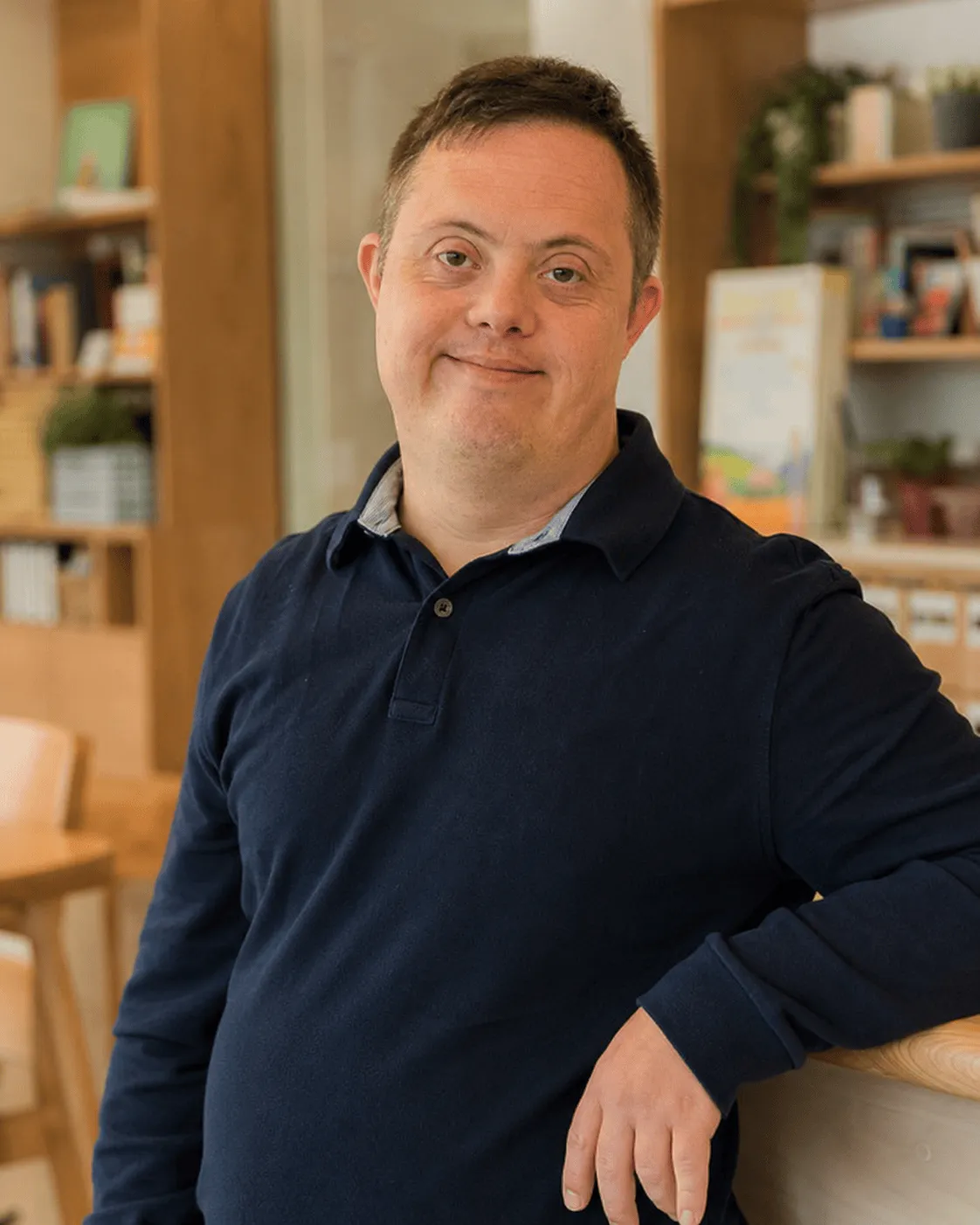
Nikola is a person with Down syndrome. For years, he was spoken about as someone who needed decisions made for him.

Where he should live. Whether he should work. How he should spend money. What support he needed. Too often, other people’s fears carried more weight than his own will and preferences.

An OPD in Serbia piloted supported decision-making circles for persons with Down syndrome and intellectual disabilities. Nikola developed a plan and chose trusted supporters. With their support, he began making practical decisions about work, health care and daily life.

Supported decision-making did not leave Nikola alone. It surrounded him with people he trusted while keeping him at the centre.

The result was simple and radical: Nikola’s life became more his own.

Mariam is heard

Ghana – Communication support and dignity

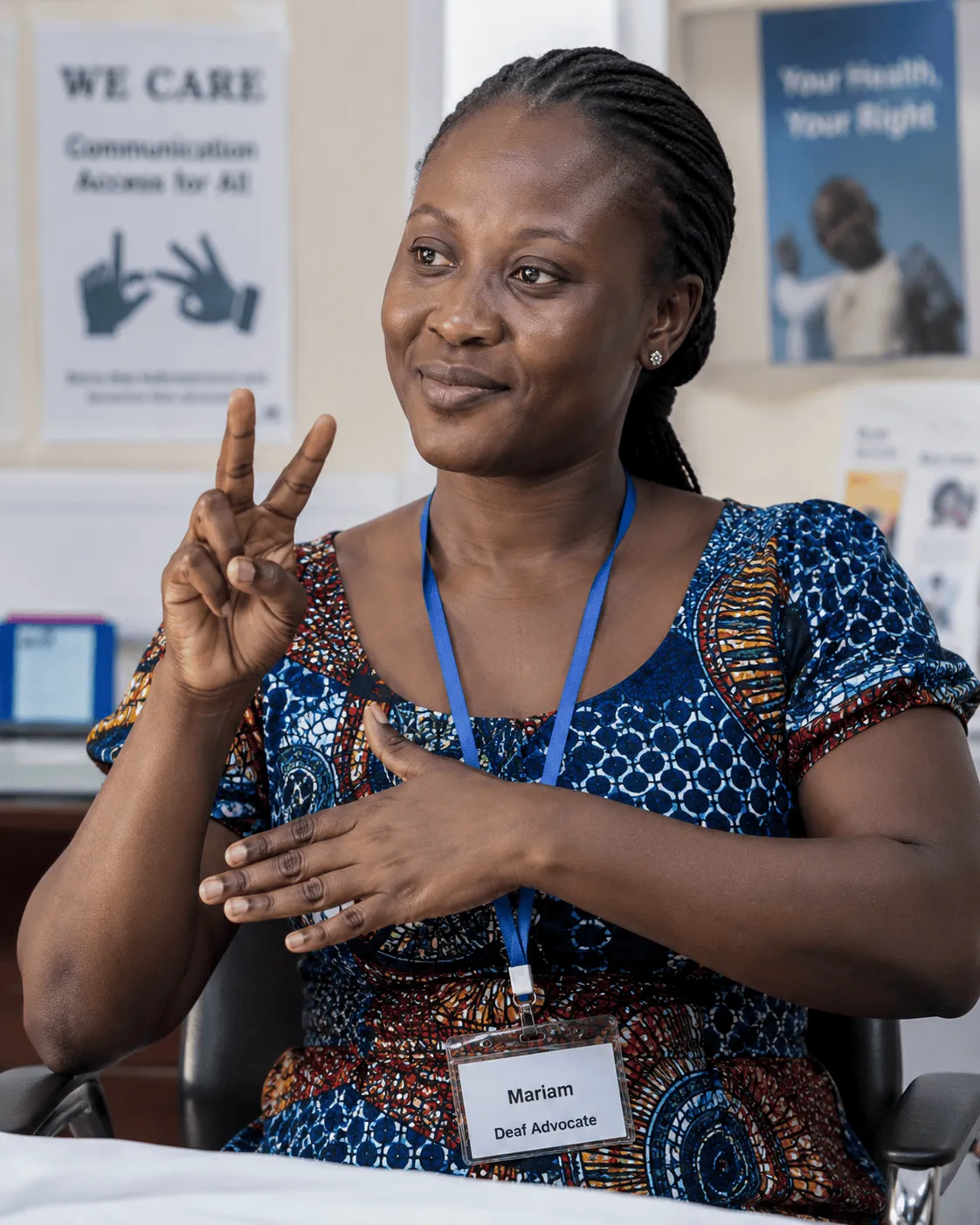
Mariam is a deaf woman who requires sign interpretation. She had been invited into rooms before. She had sat in health clinics, offices and local authority meetings where decisions were made around her, not with her.

Without interpretation or communication support, participation became a performance. She was present, but not fully heard. Her questions remained unasked. Her choices were narrowed by other people’s assumptions.

A Ghanaian OPD created a community communication access pool, training interpreters, communication assistants and volunteers to support deaf persons and others with disabilities in health, education, justice and public decision-making settings.

The next time Mariam went to a clinic, she was not alone. She could explain what she needed. She could ask questions. She could make decisions about her own health.

The difference was not simply access to a service. It was dignity. Mariam was no longer expected to fit into a system that excluded her. The system began to adjust so that she could be heard.

Dara understands his rights

Cambodia – Accessible information and public services

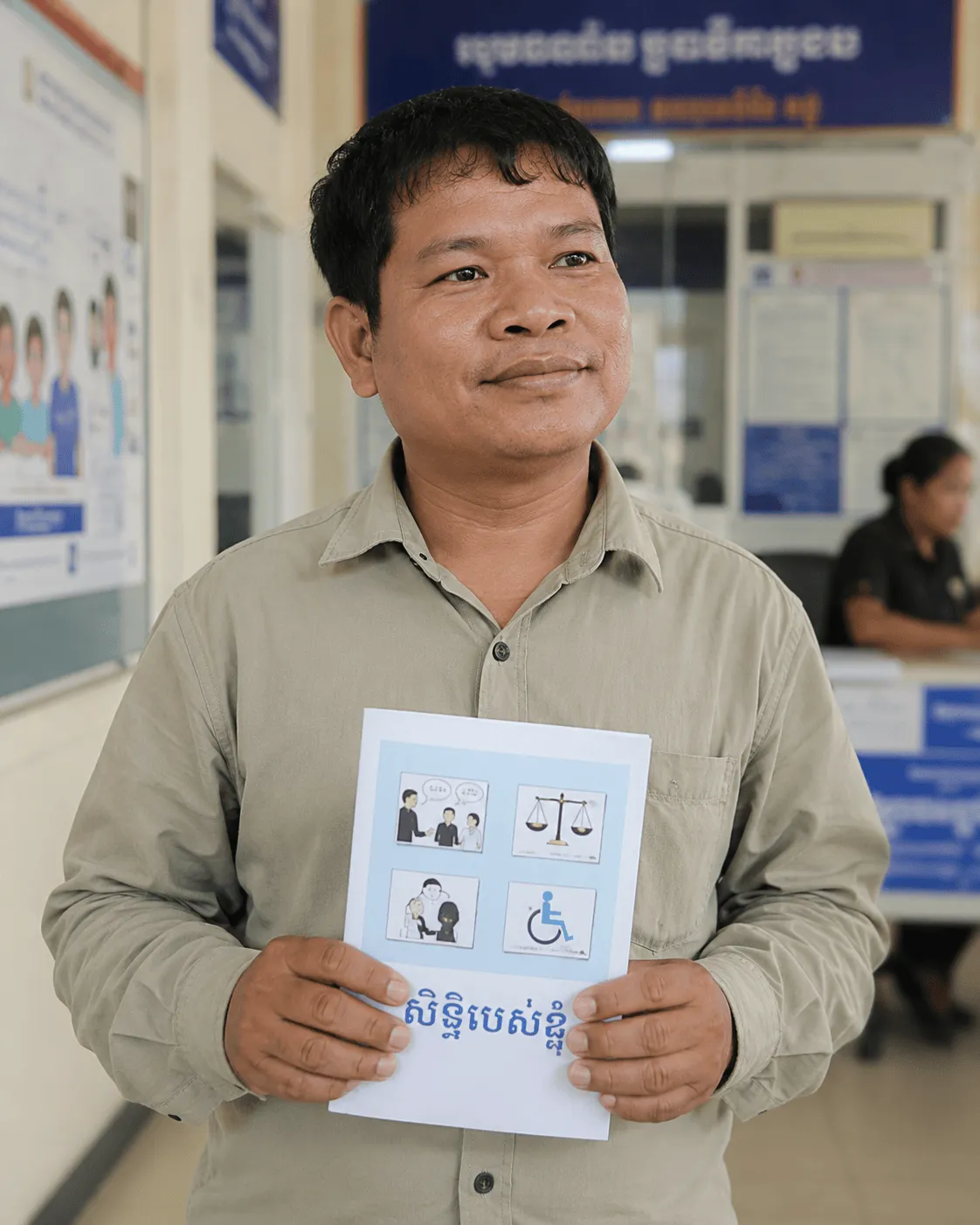
Dara is a person with an intellectual disability. He knew that support for persons with disabilities existed somewhere. But knowing that help exists is very different from being able to reach it.

The rules were confusing. The forms were difficult. The information was not accessible. Each time he tried to understand what he was entitled to, he met another closed door. What should have been a public service felt like a maze.

An OPD coalition in Cambodia began producing public information in formats people could actually use: easy-read, audio, Khmer Sign Language video, and plain language. The materials explained disability benefits, school enrolment, health rights and how to report violence.

For Dara, accessible information changed everything. He understood the steps. He knew what documents he needed. He contacted the OPD for follow-up support and was able to apply for services that had previously felt out of reach.

Accessible information is often treated as an add-on. For Dara, it was the bridge between having rights on paper and being able to use them in real life.