


Past
The Second World Summit for Social Development
The Second World Summit for Social Development (WSSD2) was held in Doha, Qatar, from 4 to 6 November 2025 at the Qatar National Convention Centre. Nearly 14,000 attendees from governments, United Nations agencies, civil society organisations and social partners attended the WSSD2 to renew their commitments to eradicating poverty, promoting full and productive employment, and ensuring social inclusion of all persons.
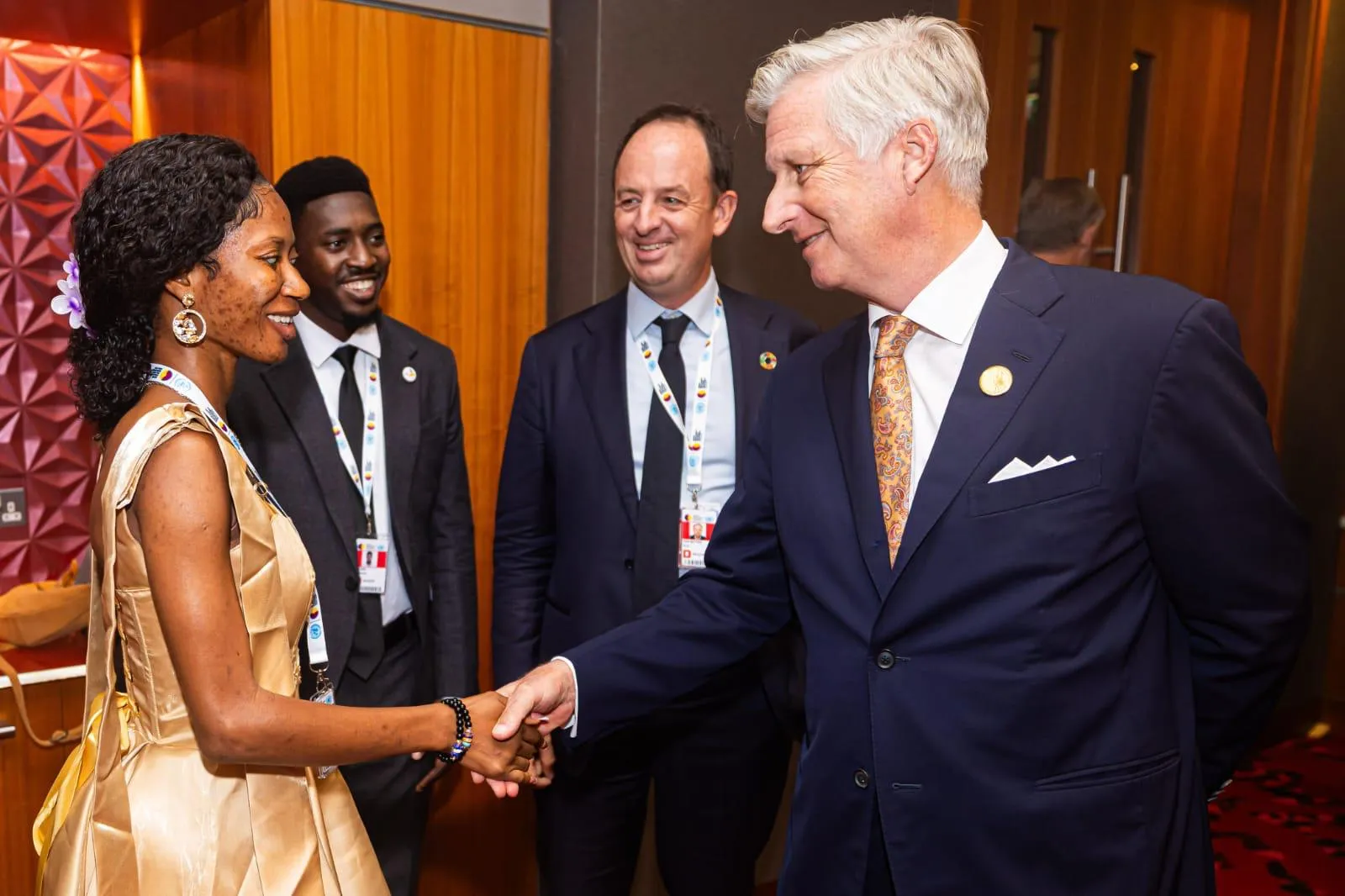
IDA actively advocated for the recognition of persons with disabilities as rights-holders, leaders, and agents of change throughout the Summit. We organised high-level events, engaged with UN Member States, UN entities and other stakeholders, and collaborated with partners in the disability movement to achieve a clear recognition of the urgency of accelerating disability-inclusive social development.
In preparation for WSSD2, IDA carried out extensive advocacy efforts to ensure the Doha Political Declaration would be grounded in human rights, with a clear acknowledgement of the resources and systems necessary for the dignity and inclusion of all persons with disabilities.
The outcome document, adopted by consensus, committed to ensuring the full and effective inclusion and participation of persons with disabilities in accordance with the Convention on the Rights of Persons with Disabilities. It recognised that persons with disabilities experienced higher levels of poverty, faced barriers to employment, and encountered discrimination that limited their equal participation. It emphasised human rights, including rights-based policies and services, as key components of social development. Importantly, it decided to strengthen multi-stakeholder engagement and partnerships with organisations of persons with disabilities.
For IDA and its members, the summit presented an opportunity to turn global commitments to disability-inclusive social development into national reforms led by organisations of persons with disabilities themselves. Success will be measured by the reduction of poverty, the creation of decent work opportunities, and the development of social protection systems that enable persons with disabilities to participate fully and effectively in society and enjoy and exercise their rights on an equal basis with others.