

Gender equality
How much must you pay to menstruate? African women with disabilities demand sexual and reproductive justice on their own terms
How much must you pay to menstruate? African women with disabilities demand sexual and reproductive justice on their own terms
US$30 a month to manage menstruation, compared with US$4 for other women. That was the cost described for a woman with a physical disability in Kenya in an account shared at this week’s regional dialogue on sexual and reproductive health and rights (SRHR). This amount is more than seven times the cost for other women.
And that assumes she can get online. The menstrual underwear described in these accounts must be ordered over the internet. It is not available in regular supermarkets or neighbourhood shops. Women face both a price barrier and a digital barrier to obtaining products that meet their needs.
A woman should not have to pay more for dignity because products and distribution systems were designed without her.
I want to be able to walk into my local shop and buy something that works for me, just like anyone else. That should be an ordinary part of getting my period. Njeri Muthoni said during the dialogue.
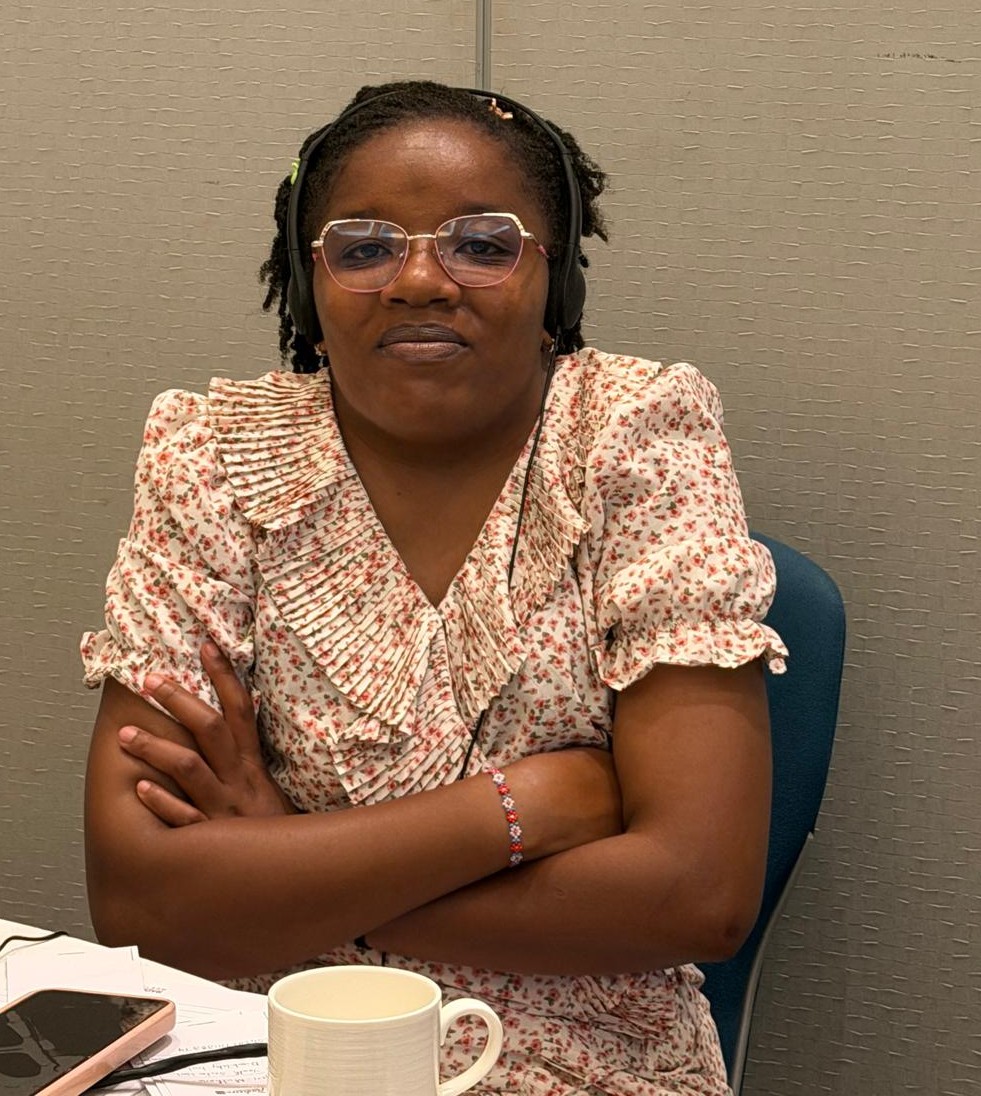
These realities were raised at one of the largest gatherings of its kind in Africa, convened in Nairobi from 4 to 6 November by the African Disability Forum (ADF), United Disabled Persons of Kenya (UDPK) and the International Disability Alliance (IDA). African disabled feminist leadership is demanding that health systems answer to the women they serve.
Another clear message was that choice and bodily autonomy cannot be reduced to maternal health equity. Women with disabilities want health care and services throughout their lives: menstrual dignity and hygiene, perimenopause and menopause, comprehensive sexuality education, immunisation including HPV vaccination, and cancer screening. Their sexuality, bodily autonomy and right to healthcare and services can’t be contingent on their choice to become a mother or not.
Women with disabilities and their organisations have solutions. IDA, ADF, UDPK and other organisations of persons with disabilities bring practical knowledge of accessible services, provider training and partnerships that put women’s choices first. Women must have the power to turn that knowledge into decisions about health policy, services and budgets.
Governments and donors must make holistic SRHR a political and financing priority. Fund suitable menstrual products that women can afford and buy locally. Resource accessible care throughout life. Invest directly in organisations led by women with disabilities, and give them real decision-making power in health governance. Let’s give women with disabilities real choices and remove all barriers to dignity and rights.
IDA Media
Contact: media@ida-secretariat.org