


Past
COP30
For the first time, the world's most significant climate summit was held in the Amazon region, a location that highlights the interconnectedness of climate change, biodiversity, development, and health. From 10 to 21 November 2025, governments convened to assess progress under the UN Framework Convention on Climate Change (UNFCCC) and decide on the next steps to confront the worsening climate crisis.
Current situation
The decisions made will shape how countries respond to rising sea levels, heatwaves, floods, and droughts, ultimately determining whether millions of lives can be saved.
For the 1.3 billion persons with disabilities worldwide, the stakes could not be higher. They face greater risk in extreme weather events and have limited influence on climate decisions.
At the start of the conference, McGill University launched a new research report, together with IDA and the Latin American Network of Non-Governmental Organisations of Persons with Disabilities and their Families (RIADIS). The report shows there has been some improvement in how countries include disability in their climate plans since 2022. However, big gaps remain, and even where disability inclusion is mentioned, there are no concrete actions that would make it real. This neglect risks deepening inequality and leaving the most at risk behind.
Expectations and participation
IDA participation at COP30 aimed to increase references to disability inclusion in the global outcome documents. The Disability Caucus briefing paper outlined our key demands. One of our main expectations was that this Caucus would be officially recognised, giving persons with disabilities an equal voice together with the rest of civil society.
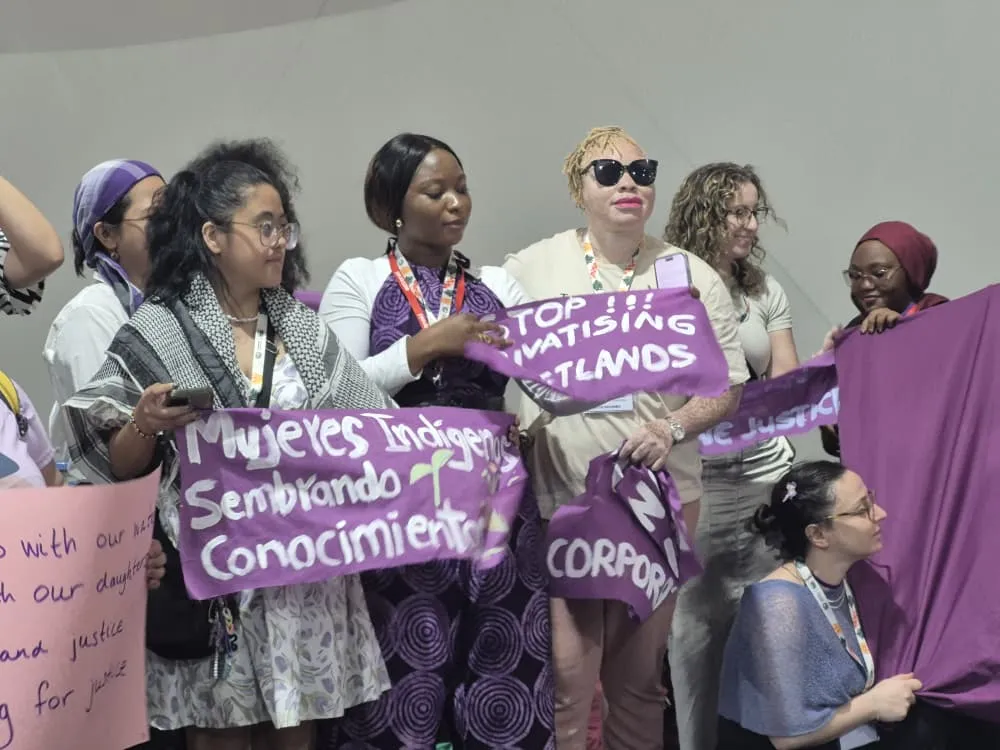
Our delegation included persons with disabilities from Latin America, Africa and Asia as part of the global Disability Caucus. We promoted disability inclusion through side events, an exhibition booth, meetings with government representatives, and collaboration with other groups. The Disability Caucus also delivered statements at high-level sessions.
Outcomes
The final COP 30 decisions showed small steps forward, with explicit references to persons with disabilities in areas such as the Just Transition Work Programme, the Global Goal on Adaptation, and the Gender Action Plan. However, accessibility at COP 30 remained very poor, and the Disability Caucus was not officially recognised within the UN climate process.
Without including the voices of those most impacted by climate change, which include persons with disabilities, we’re not going to create a solution that works for everyone.
IDA reminds world leaders that the path to a sustainable future must be built by and for persons with disabilities.