


Past
Revitalising the World Network of Users and Survivors of Psychiatry at 20 years of the CRPD: Rebuilding global solidarity, leadership, rights, advocacy and inclusion
About the event
The International Disability Alliance (IDA), as the interim secretariat of the World Network of Users and Survivors of Psychiatry (WNUSP), convened the Network's members in Nairobi, Kenya, for a landmark gathering to revitalise the global network and strengthen collective advocacy for the rights of persons with psychosocial disabilities, users and survivors of psychiatry.
As the international community marked the 20th anniversary of the Convention on the Rights of Persons with Disabilities (CRPD) in 2026, the gathering brought together representatives from 17 countries to reflect on progress and persistent challenges in implementing the Convention.
This was WNUSP's first General Assembly in 17 years, since the Network last met in Kampala, Uganda.
Programme
17–18 NOVEMBER
Conference
Two days of discussion on the CRPD at 20, ongoing human rights violations, and the future purpose and direction of WNUSP.
19–20 NOVEMBER
General Assembly
Members addressed governance matters and elected regional representatives to the WNUSP Board for the 2026–2030 term.
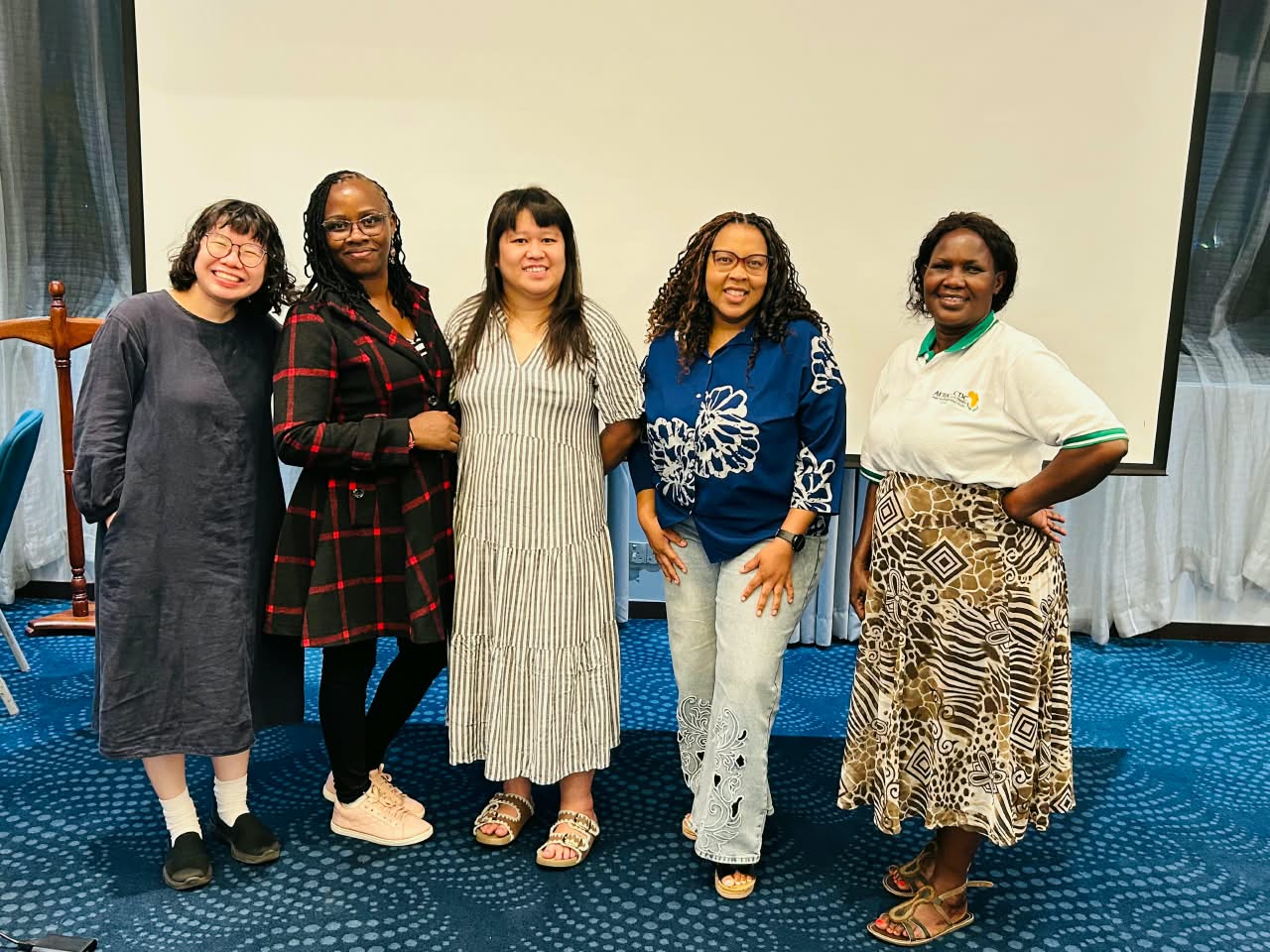
Reconnecting a global movement
For many participants, meeting again in person was both a celebration and an opportunity to renew solidarity across countries and regions. The gathering also offered space for cultural exchange and shared experience, strengthening the connections that underpin the global movement of users and survivors of psychiatry.
“For a long time, Ipictured this... it is a dream come true.”
— Dr Daniel Iga Mwesigwa,Acting Co-Chair, WNUSP
Reflecting on 20 years of the CRPD
WNUSP played a significant role in shaping CRPD and advancing international human rights standards, particularly on:
• Legal capacity
• Liberty and security
• Freedom from coercion
• Independent living
• Access to healthcare
Opening the conference, Jarrod Clyne, IDA Deputy Executive Director, acknowledged these contributions while stressing the urgent need to address the human rights violations that persons with psychosocial disabilities continue to face.
“Someone will be tied to a bed right now. Someone is being injected with a medication they do not want while saying no. Someone will be chained to a shed, supposedly to protect them. These grave violations cannot go unremarked, unnoticed, or allowed to continue existing.
— Jarrod Clyne, Deputy,Deputy Executive Director, IDA
Participants worked to identify collective priorities for advancing rights-based approaches, ending coercive practices and promoting community inclusion.
Rethinking the role of a global network
Beyond reconnecting members, the gathering considered WNUSP's future direction, including its purpose, governance, membership and advocacy priorities.
“What is WNUSP for today? What can we contribute that other networks are not already doing? And perhaps more importantly, what do our movements actually need from a global network?”
— Alberto Vásquez
IDA's role
As WNUSP's interim secretariat, IDA supported thecoordination and organisation of the gathering and the preparations for theGeneral Assembly, working closely with WNUSP's leadership and members so theycould reconnect, take part in discussions and contribute to decisions about theNetwork's future.
This support reflects IDA's commitment tostrengthening the capacity, representation and leadership of organisations ofpersons with disabilities, including those representing historicallymarginalised constituencies.
Looking ahead
The revitalisation process aims to strengthen WNUSP as a representative, member-led global network advocating for the rights and priorities of users and survivors of psychiatry, persons with psychosocial disabilities, Mad people and others who identify with the movement.
IDA remains committed to a strong, independent and inclusive global disability rights movement, in which organisations of persons with disabilities lead the decisions and advocacy that affect their lives.